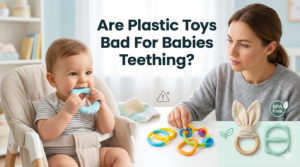
Are Plastic Toys Bad For Babies Teething? Learn the risks, safer materials, and expert tips to soothe gums without toxins. Get smarter choices for your baby. Plastic teething toys can carry chemical, choking, and hygiene risks if poorly made. Parents ask it often: are plastic toys bad for babies’ teething?
In this guide, I explain the real risks, what the science says, and how to choose safe, practical options. You will learn how to read labels, vet materials, and build a simple teething plan you can trust.
What Teething Looks Like and Why Babies Chew
Teething starts as early as 4–6 months. Babies drool, rub their gums, and want to bite. Pressure on sore gums helps. Cool textures help too.
Babies explore the world with their mouths. They will chew keys, remote controls, and plastic tags if you let them. The goal is to guide that urge to safe shapes and safe materials. Many caregivers still ask, are plastic toys bad for babies’ teething, and what should they use instead?

Source: amazon.com
Are Plastic Teething Toys Safe? Risks You Should Know
Not all plastic is equal. Some plastics are safer than others. Yet, several risks keep coming up in safety reports.
Chemical risks:
- BPA and substitutes. BPA is restricted in baby bottles in many countries. But some toys may still use BPA or its cousins, BPS and BPF. These can leach more with heat, sunlight, and long contact with saliva.
- Phthalates in soft PVC. These plasticizers make plastics soft. Certain phthalates are linked to hormone disruption. Laws cap them in children’s products, but compliance can vary with imports and knockoffs.
- Heavy metals and additives. Old paints, low-grade pigments, and some recycled plastics can carry lead or cadmium. Trusted brands test for this. Cheap, untested items may not.
Mechanical and hygiene risks:
- Small parts. Seams, beads, and rattles can break. Pieces can lodge in the airway.
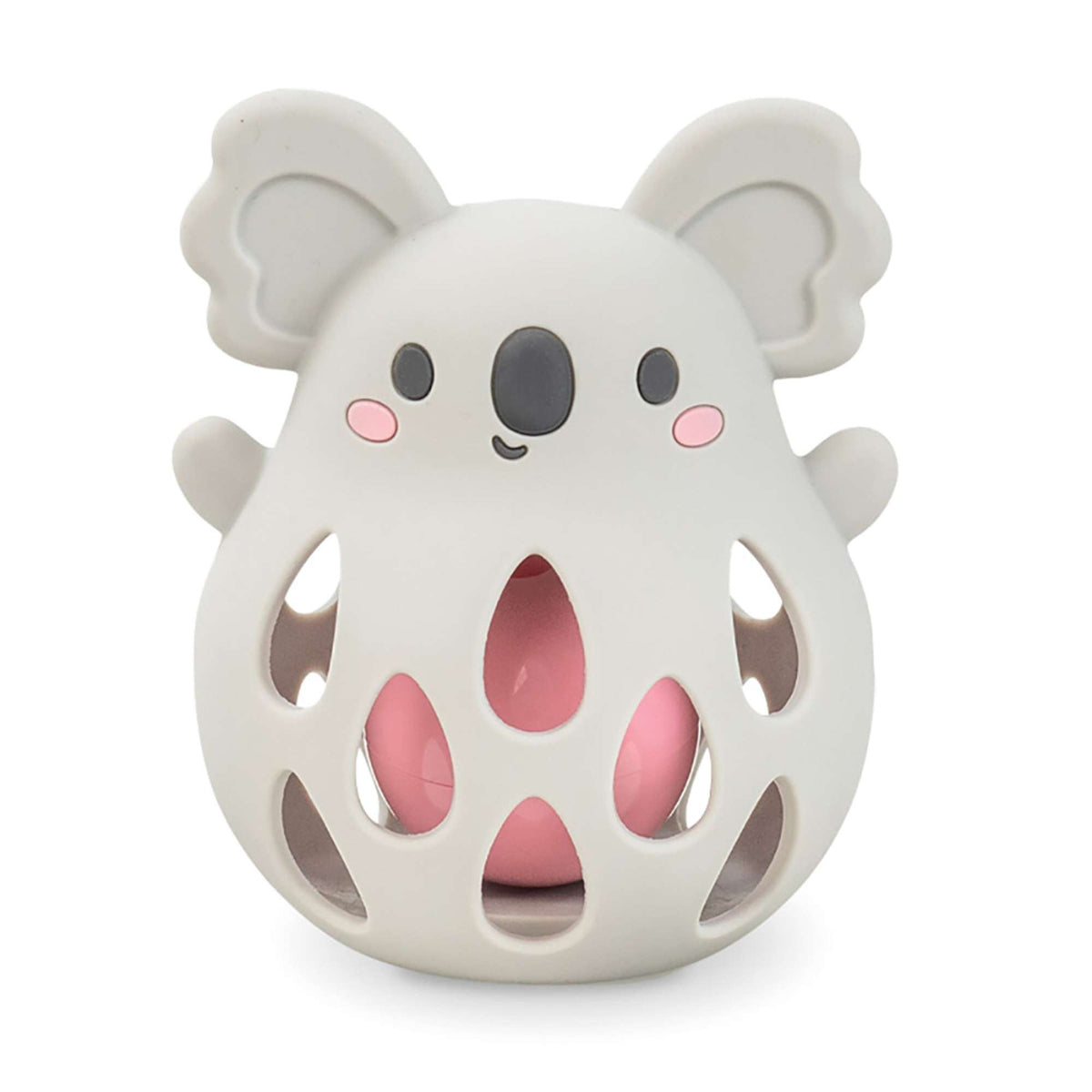
- Vent holes and trapped moisture. Water can get inside hollow toys. Warm, wet spaces can grow mold.
- Surface wear and microplastics. Repeated chewing sheds small particles. Babies can swallow these over time.
Context matters. Are plastic toys bad for babies’ teething? Many safe, compliant plastic teethers exist. But when labels are vague and quality is low, risk rises. Are plastic toys bad for babies teething across the board? No. But poor plastics, heat, sun, oils, and rough wear can make leaching and breakage more likely. That is why selection and care matter as much as material.
Evidence notes:
- The American Academy of Pediatrics advises choosing items free of BPA and phthalates and avoiding products with fragrances.
- U.S. CPSC rules limit phthalates in children’s products to 0.1% for several types.
- Research on BPA substitutes shows mixed but concerning signals, so caution is wise.
Source: bannortoys.com
How to Read Labels, Standards, and Claims
Look for clear proof of safety. If a product hides the details, skip it.
What to check on the package or product page:
- Third-party testing. Look for CPSIA compliance in the U.S., ASTM F963 for toy safety, and EN71 in the EU.
- Material callouts. 100% food-grade silicone, natural rubber, or solid wood. If plastic, it should say BPA-free, PVC-free, and phthalate-free.
- Age grading. Marked for 0+ months and free of small parts.
- Company details. Real address, batch number, and a responsive customer service channel.
- Design. One-piece or very secure joins. No loose beads or cords for chewing toys.
- Claims to treat with care. Avoid fragrance, flavor, or antimicrobial coatings. These can add chemicals you do not need.
Good label reading answers the big question many parents type into search bars: Are plastic toys bad for babies teething? With clear standards and materials, risk drops. If a listing does not answer, are plastic toys bad for babies’ teething in this case, assume it is not worth it.

Source: amkglobalgroup.com
Safer Alternatives to Plastic Teethers
You do not need to avoid all plastics to be safe. But these options often test better for teething use.
- Food-grade silicone. Soft, durable, and easy to clean. Look for a single piece with textured ridges. Many go in the dishwasher.
- Natural rubber. Springy and soothing. Choose latex-free if there is a family latex allergy. Avoid strong smells, paints, and holes that trap water.
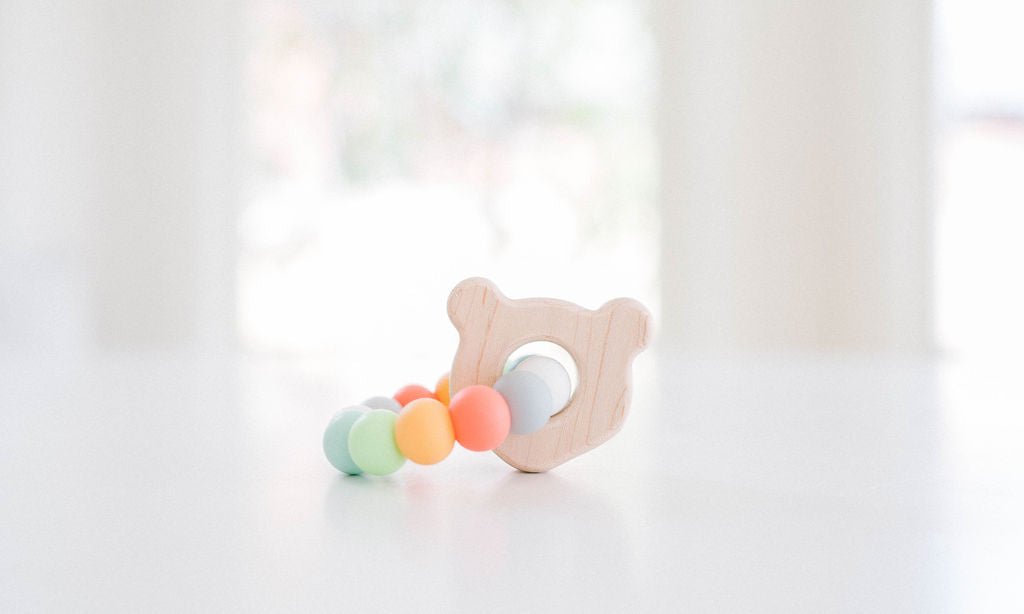
- Solid wood. Beech or maple is common. Choose sanded, untreated wood or a finish of food-grade oil or beeswax. Check for splinters.
- Fabric and washcloths. A clean, damp cloth chilled in the fridge offers gentle relief. Do not freeze it rock solid.
- Stainless steel spoon. Cool and smooth. Supervise at all times.
- Silicone feeders. Add cold fruit for older babies who eat solids. Wash well after each use.
Parents still wonder, are plastic toys bad for babies teething, when they see a cute plastic ring. If you pick plastic, choose a trusted brand with full chemical disclosures. But for many families, silicone, rubber, or wood feels simpler and safer.
Avoid amber or silicone teething necklaces. They pose strangulation and choking risks. They are not recommended by pediatric groups.
Source: trailscouncil.org
Best Practices for Using Any Teething Toy
How you use a toy matters as much as what it is made of.
Daily habits:
- Clean after heavy use. Silicone and many plastics can go on the top rack of the dishwasher. Check the label first.
- Boil or sterilize when allowed. Some items warp with heat. Follow maker rules.
- Inspect often. Toss anything that cracks, peels, grows sticky, or smells off.
- Store dry and out of the sun. UV light and heat speed up the breakdown.
Smart soothing:
- Chill, do not freeze solid. Rock-hard items can bruise gums or break a tooth.
- Massage gums with a clean finger. Offer water in a cup if your baby is old enough.
- Avoid gels with benzocaine or lidocaine. The FDA warns against them for infants.
Safety checks:
- Size matters. Anything that fits through a toilet paper roll can be a choking risk.
- Supervise. Teething is not a “set and forget” time.
- Skip cords and necklaces. If you use a pacifier clip, keep it short and do not let the baby sleep with it.
These habits help answer, ” Are plastic toys bad for babies’ teething, in a practical way. Good care lowers risk, no matter the material. And if you still ask, are plastic toys bad for babies teething in warmer weather or on trips, remember that heat and sun raise the chance of chemical leaching. Keep toys cool and shaded.

Source: amazon.com
Practical Insights From The Field
Over years of reviewing baby gear and speaking with product safety experts, a few patterns stand out. Parents often buy what looks cute, then read the fine print later. Flip that order.
Common mistakes to avoid:
- Buying from third-party sellers with no brand site or testing data.
- Choosing hollow toys with vent holes that trap water and grow mold.
- Using “BPA-free” as the only check. BPS/BPF may still be there.
- Freeze toys until rock hard.
Quick wins I have seen work well:
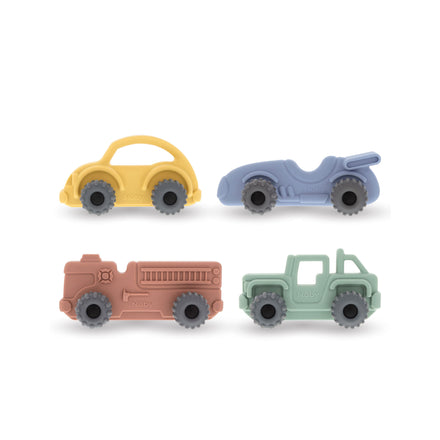
- Build a small rotation: two silicone rings, one rubber figure, one wooden rattle, and a set of washcloths. Rotate and clean.
- Keep a travel teether in a zip bag with a spare clean cloth.
- Log what your baby likes. Some love thin ridges; others prefer thick knobs.
When friends ask me, are plastic toys bad for babies teething, my answer is simple. The safer path is clear labels, proven materials, and calm routines. If a plastic option checks every box and your baby loves it, fine. If not, pick silicone, rubber, or wood and move on with confidence.
Source: nuby.com
Frequently Asked Questions
Are plastic toys bad for babies teething?
Some are fine, but low-quality items can pose chemical and choking risks. Choose trusted brands, verified testing, and one-piece designs.
How can I tell if a teether is safe?
Look for CPSIA, ASTM F963, or EN71 compliance, plus clear material details. Avoid fragrances, paints, and vague “BPA-free” claims with no other info.
What should I use instead of plastic?
Food-grade silicone, natural rubber, and solid wood are popular choices. A chilled washcloth or stainless steel spoon also helps under supervision.
How often should I replace teething toys?
Inspect weekly and replace at the first sign of cracks, stickiness, or fading. Many families replace heavily used teething rings every 2–3 months.
Is it safe to freeze a teether?
Chill, do not freeze hard. Very cold, rigid surfaces can hurt gums or chip an emerging tooth.
Can I boil every teether to sterilize it?
No. Some materials warp with heat. Follow the maker’s cleaning directions.
Are gel-filled teethers safe?
If the seal fails, the liquid can leak. Many parents choose solid designs to avoid that risk.
Conclusion
Plastic teething toys are not all bad, but quality and care make the difference. Focus on verified materials, clear testing, solid design, and smart cleaning. If you still wonder whether to pick plastic, silicone, rubber, or wood, choose the option that meets standards, fits your routine, and keeps your baby happy and safe.
Build a simple teething kit this week and set a cleaning schedule that sticks. If this guide helped, share it with a friend, subscribe for more safe baby gear tips, or leave a question in the comments.