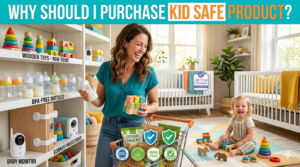
Ask yourself why should I purchase kid safe product? Get expert tips on safety standards, non-toxic materials, and 2026 certifications to protect your child. Because kid-safe products reduce injuries, block toxins, and protect learning every day. As a safety advisor and parent, I often hear this exact question: Why should I purchase Kid Safe Product?
I test toys, gear, and apps for real homes, not labs alone. In this guide, I will show you how kid-safe design protects your child’s body, mind, and data—and how to verify claims before you click buy.

Source: amazon.com
What Does Kid-Safe Really Mean?
Kid-safe means the product is designed and tested for a child’s age, size, and behavior. It follows strict rules for choking risks, chemicals, sharp edges, and stability. It also covers smart features like privacy, data use, and screen time.
If you ask, Why Should I Purchase Kid Safe Product?, the core answer is risk control. You lower known hazards while keeping play and growth on track. You also save time and money by avoiding returns and doctor visits.
The Real Reasons Parents Ask: Why Should I Purchase Kid Safe Product?
Parents ask because safety standards are complex, and labels can be vague. We want clear proof that a toy or seat will not fail under stress. We also want products that support healthy sleep, movement, and focus.
I learned this while auditing daycares and running parent workshops. The right choice changed daily routines, not just playtime. Why Should I Purchase a Kid Safe Product? Because safer design gives you fewer close calls and smoother days.

Source: safety1st.com
Health and Material Safety: What to Look For
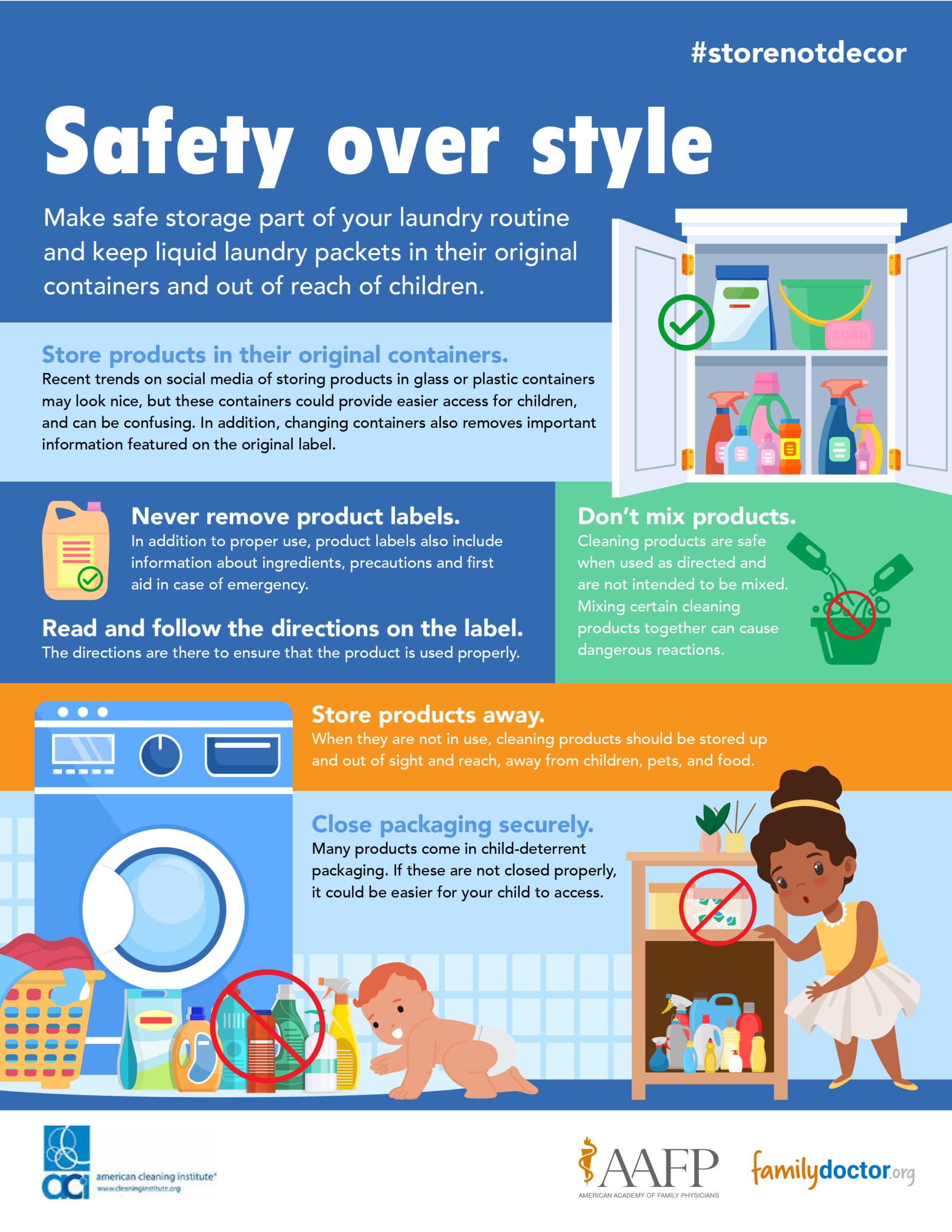
The first layer of safety is what the product is made of. Focus on materials that are free from lead, cadmium, BPA, and certain phthalates. For soft goods, look for dyes that do not bleed and fillings that do not shed.
Use this quick check:
- Ask for proof of compliance with CPSIA, ASTM F963, or EN71 for toys.
- For feeding gear, look for FDA-grade silicone or food-safe stainless steel.
- For furniture and mats, prefer low-VOC or Greenguard Gold certifications.
Why Should I Purchase Kid Safe Product? Safe materials mean fewer exposures during teething, mouthing, and messy play. It is a simple prevention you can control.
Source: familydoctor.org
Design and Engineering Features That Prevent Injuries
Good engineering is where safety meets daily life. Smooth edges, stable bases, and guarded hinges prevent pinches and falls. Vent holes on balls and masks prevent suction near small faces.
When I test items, I use a small-parts tube to flag choking risks. I tip chairs, pull straps, and twist buckles with the force a toddler can make. Why Should I Purchase Kid Safe Product? Because careful engineering stops the most common home injuries before they start.
Look for:
- Age-graded design that matches motor skills and bite force.
- Reinforced seams and stitch density for plush toys.
- Non-slip feet on stools, baths, and high chairs.
- Secure battery doors with screws on anything that lights up.

Source: amazon.com
Digital and Smart Toys: Data and App Safety
Many kids’ products now connect to apps and clouds. Safety here is about privacy, not just parts. Check for clear data use, encryption, and limits on tracking.
Smart safety checklist:
- Look for COPPA compliance and kid profiles with locked settings.
- Seek on-device storage or encrypted transfer for voice and photos.
- Avoid toys that require open microphones all day.
Why Should I Purchase Kid Safe Product? Because your child’s data is part of their safety. Guarding it now prevents problems later.

Source: hiccapop.com
Certifications, Labels, and How to Read Them
Labels can confuse, so learn the key ones. For toys in the U.S., ASTM F963 and CPSIA compliance are must-haves. Globally, look for EN71 or ISO 8124 for toys, and CE marking in Europe.
What matters most:
- Third-party lab testing, not only “self-certified” claims.
- Batch numbers and traceability in case of recalls.
- Clear age grading and warnings in plain language.
Why Should I Purchase Kid Safe Product? Because certified products come with proof, not promises. That paper trail protects you if a recall happens.

Source: amazon.com
Cost, Value, and Longevity
Safe does not always mean pricey. The best value comes from durable items you can pass down. Reusable and modular designs also save space and reduce waste.
Think in life-cycle terms:
- Buy fewer, better pieces that match your child’s stage.
- Choose parts you can wash, repair, or recycle.
- Track warranties and support options.
Why Should I Purchase Kid Safe Product? Because long life and low risk make every dollar work harder.
Source: consumerreports.org
How to Verify Claims Before You Buy
Do not stop at a pretty box. Ask sellers for test reports. Search for recalls and scan reviews for repeat problems.
Use my three-step pre-buy routine:
- Proof: Request recent third-party test results for your region.
- Fit: Confirm the age range and weight limits match your child.
- Trial: Check return windows in case the fit is off.
Why Should I Purchase Kid Safe Product? Because checking before you buy is faster than fixing a bad choice later.

Source: amazon.com
Mistakes I Learned to Avoid
I once chose a cute bath toy that trapped water inside. A week later, it grew mold. Since then, I pick open, drainable designs or solid pieces only.
Common errors to skip:
- Buying “to grow into.” Oversized gear can be unsafe.
- Ignoring battery doors. Loose coin cells are a severe hazard.
- Trusting “BPA-free” alone. Look for full material disclosure.
Why Should I Purchase Kid Safe Product? Because small oversights can become big risks in a child’s hands.
Frequently Asked Questions: Why Should I Purchase Kid Safe Product?
Why Should I Purchase a Kid Safe Product?
It reduces the biggest risks for children: choking, toxic exposure, and falls. It also saves money by avoiding replacements, recalls, and ER visits.
How do I confirm a toy is really kid-safe?
Ask for third-party test reports that match your country’s rules. Check for labels like ASTM F963, CPSIA, or EN71 and age grading.
Are smart kid products safe to use at home?
Yes, if you control data and settings. Use child profiles, turn off mics when idle, and update firmware.
Do I need to replace older hand-me-down toys?
Maybe. Older items may not meet today’s standards or may degrade. Inspect for loose parts, cracks, and peeling paint.
Is a higher price a guarantee of safety?
No. Some budget products meet all standards, while pricey ones may not. Always check proof of testing and real-world reviews.
Conclusion
Safety is not one thing. It is design, materials, data, and daily use working together. When you ask, Why Should I Purchase Kid Safe Product?, you are really asking how to give your child a safer start without guesswork.
Use the checklists, verify claims, and choose products that match your child’s stage. Make one better choice this week, then build from there. If you found this helpful, subscribe for more guides or leave a question—I read every comment.