
Get expert, safety-first advice on when to turn the seat, readiness signs, and stroller tips. When can a baby start facing forward in a stroller? Find out now. Most babies can face forward once they sit unassisted, around 6–9 months. Parents ask this all the time: When Can A Baby Start Facing Forward In A Stroller? I test strollers for a living and work with families every week.
In this guide, I explain the signs of readiness, expert advice, product differences, and a safe step-by-step plan. If you want a confident, stress-free switch, read on for clear, evidence-based tips that make the decision easy.
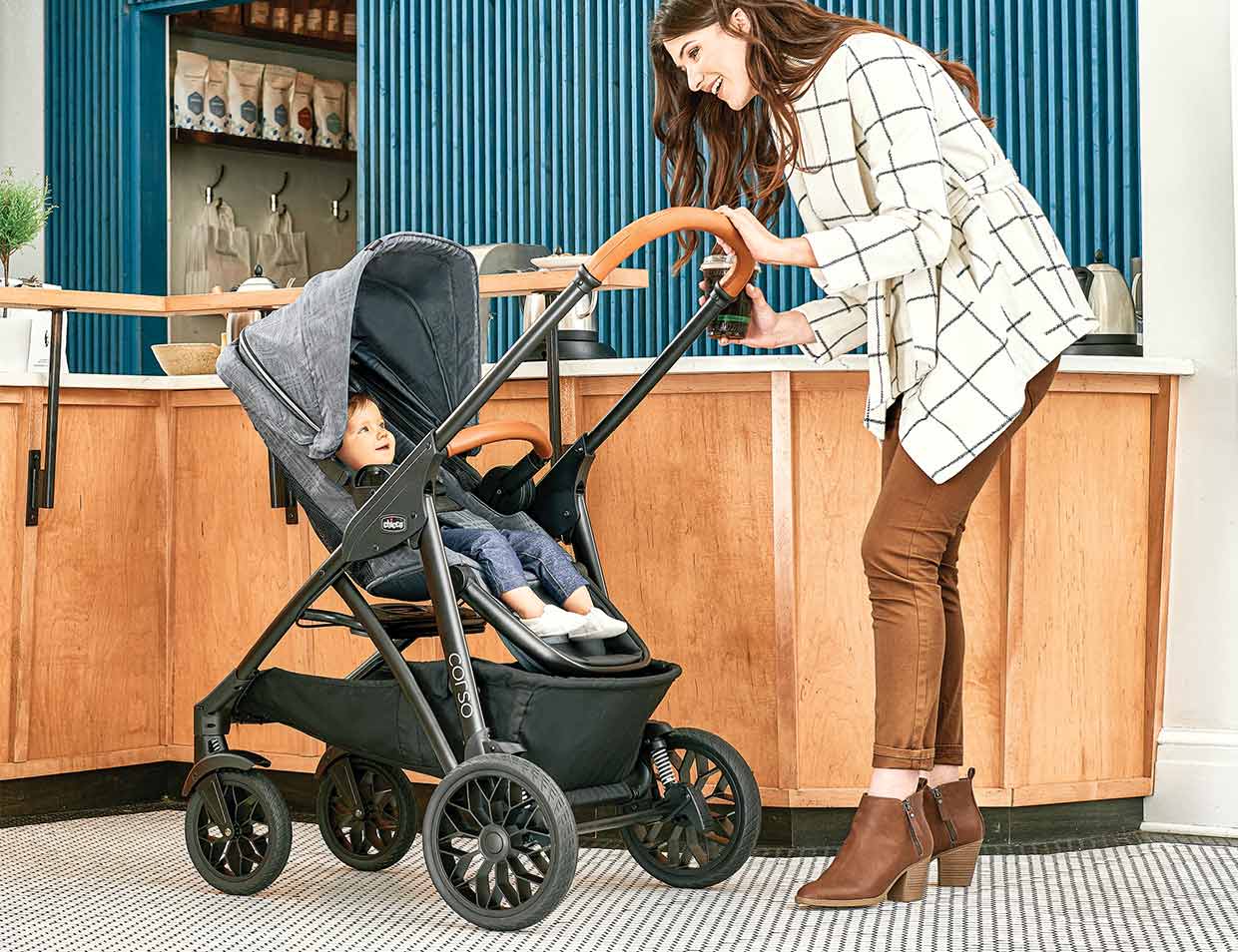
How To Tell Your Baby Is Ready To Face Forward
Deciding When Can A Baby Start Facing Forward In A Stroller comes down to development, not just age. Most babies are ready between 6 and 9 months, but you should look for clear signs.
Key readiness signs to check:
- Strong head and neck control. Your baby holds their head steady on bumps and turns.
- Sits unassisted for at least 60 seconds. No slumping or wobbling.
- Tolerates a semi-upright seat for 20 to 30 minutes without sliding.
- Stable core strength. Your baby can lean forward and return to center with control.
- Curiosity without distress. Your baby looks around, tracks people, and stays calm.
If you are unsure, watch a short video of your baby in the seat. Look for chin-to-chest slumping, head bobbing, or heavy leaning. If you see these, wait. Babies grow fast, and two more weeks can make a big difference.
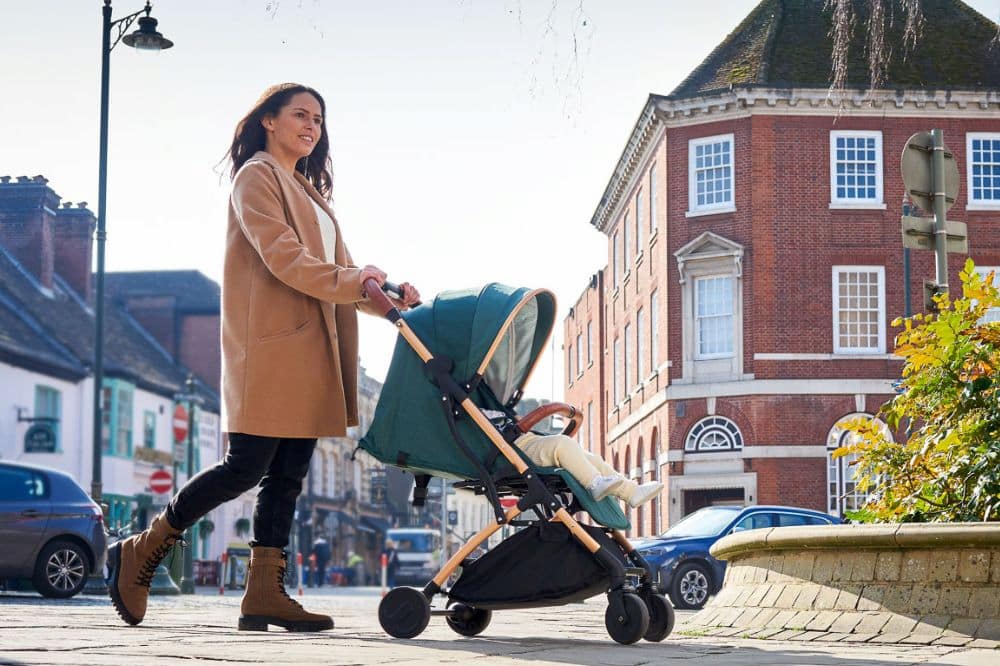
Safety Standards And Expert Guidance
There is no law that sets an age for strollers. The rule is comfort, airway safety, and posture. Babies who cannot sit well need a flat or near-flat recline, a bassinet, or an infant car seat. When Can A Baby Start Facing Forward In A Stroller? Only when posture and breathing stay normal in motion.
Follow these safety points:
- Use a 5-point harness. It should be snug at the hips and shoulders.
- Adjust shoulder height so straps sit at or just above the shoulders.
- Keep some recline for younger sitters to protect the airway.
- Check for harness pads that do not push the chin down.
- Follow the stroller manual. Age and weight guidance vary by model.
A simple test: with your baby harnessed, place two fingers under their chin. If the chin pushes down to your fingers, add more recline or wait before facing forward.
Stroller Types And How They Change The Timeline
Product design affects When Can A Baby Start Facing Forward In A Stroller. A supportive, deep, reclining seat helps earlier than a shallow, upright seat.
Common setups:
- Bassinet. Best for newborns to about 4 to 6 months. Parent-facing only.
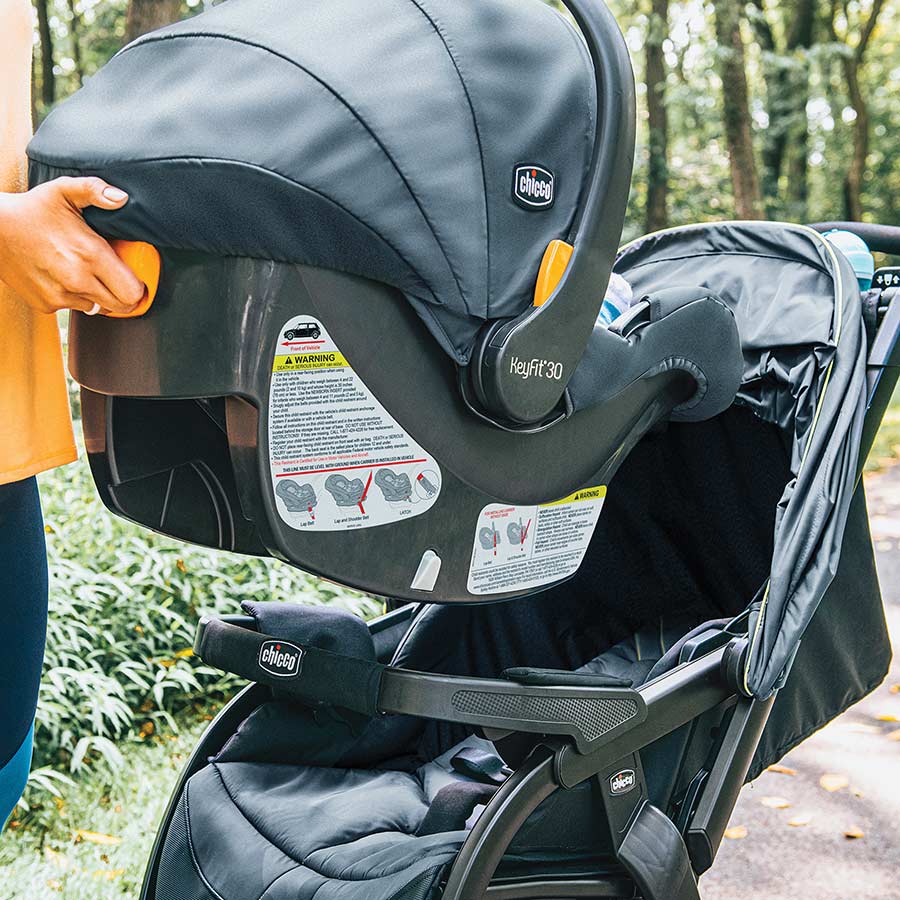
- Infant car seat on a frame or travel system. Use until your baby outgrows the seat or sits well.
- Reversible seat strollers. You can start parent-facing and flip later to forward-facing.
- Lightweight umbrellas. Many lack full recline and side support. Best once your baby sits well.
- Jogging strollers. Most require strong sitting control and are often used from about 6 to 8 months, depending on the brand.
Match the stroller to your baby’s stage. If the seat has a deep recline and good side bolsters, you can try forward-facing sooner than with a flat, open seat.
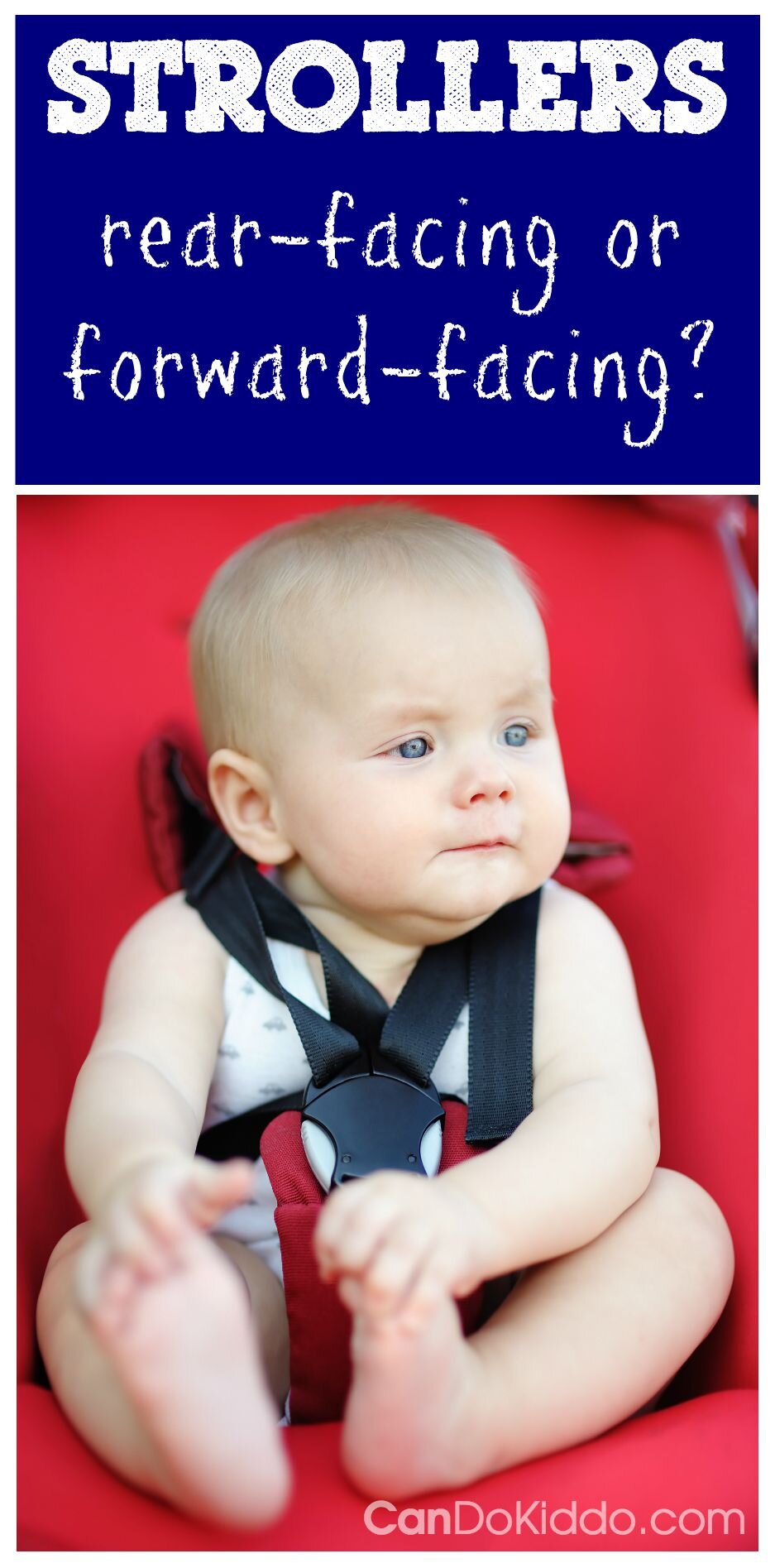
Benefits And Drawbacks Of Facing Forward
Parents often ask why and when to switch. When Can A Baby Start Facing Forward In A Stroller? makes sense once the pros outweigh the cons for your child.
Potential benefits:
- More visual input. Your baby sees the world and learns from it.
- More independence. Some babies fuss less when they can look ahead.
- May help with motion tolerance for babies who dislike parent-facing rides.
Possible drawbacks:
- Overstimulation. New sights and sounds can tire some babies.
- Less face-to-face talk time. You may miss early hunger or nap cues.
- More exposure to wind, sun, and noise.
Ways to reduce risks:
- Use a canopy, sunshade, or rain cover when needed.
- Keep a slight recline to support posture.
- Use peekaboo windows and talk often so your baby hears your voice.

Source: joovy.com
A Safe, Step-By-Step Transition Plan
A careful plan makes the switch smooth. Here is how I guide families: When Can A Baby Start Facing Forward In A Stroller?
- Start with a short walk, 10 to 15 minutes, on flat paths.
- Use a semi-recline at first. Raise the backrest as your baby shows control.
- Do a harness fit check. Two fingers under the shoulder straps, chest clip at armpit level.
- Watch cues. Yawns, rubbing eyes, or arching means it is time to stop or flip back.
- Build up time over one to two weeks. Add 10 minutes every few days.
- Keep parent-facing as a backup. Use it for naps, crowds, or busy streets.
- Review fit monthly. Adjust straps as your baby grows.
If your baby slumps, gets fussy, or falls asleep with the chin down, return to parent-facing and try again in a week.

Common Mistakes To Avoid
Avoid these issues I see often: When Can A Baby Start Facing Forward In A Stroller?
- Switching by age alone. Always check posture and control.
- Letting the seat sit too upright for a young sitter.
- Loose harness or low chest clip.
- Adding untested inserts or pillows that change the harness path.
- Long first outings that end in meltdowns.
- Hanging heavy bags on the handlebar, which can tip the stroller.
- Jogging or rough trails before your baby is ready and your stroller is rated for it.

Source: safety1st.com
Personal Insights And Real-Life Tips
I have helped hundreds of families make this shift. My own two kids had very different timelines. One was ready near 6 months. The other needed closer to 9 months. That taught me this: When Can A Baby Start Facing Forward In A Stroller? depends on the baby in front of you.
What worked well for families I coach:
- City routes with benches. Easy to stop, cuddle, and reset if needed.
- A reversible seat. Flip forward in quiet parks, flip back in crowds.
- Simple games. Name things you see so your voice anchors your baby.
- Pack layers and a brim hat. Forward-facing babies meet wind and sun more.
- Choose off-peak times. Mornings are calmer and cooler for new riders.
Trust your eyes more than the calendar. A week of practice walks beats guessing.
Frequently Asked Questions: When Can A Baby Start Facing Forward In A Stroller?
When Can A Baby Start Facing Forward In A Stroller?
Most babies are ready between 6 and 9 months. Wait until your child sits unassisted and holds a steady head on bumps.
Is it safe for a newborn to face forward?
No. Newborns need a flat recline in a bassinet or an infant car seat. Forward-facing is only for babies with strong head and trunk control.
How do I check if my baby has enough head control?
Seat your baby forward-facing on a smooth path for five minutes. If the head stays steady and the chin does not drop, control is likely good.
How long can my baby ride forward-facing at first?
Start with 10 to 15 minutes and watch cues. Add time slowly over one to two weeks.
Do jogging strollers change the timeline?
Yes. Many brands suggest waiting until about 6 to 8 months and strong sitting control. Always confirm with your stroller’s manual.
What should I do if my baby gets overstimulated?
Lower the canopy, shorten the outing, or switch to parent-facing. Try a quieter route and earlier time of day.
Does forward-facing affect naps?
It can. Keep a slight recline and use parent-facing for nap walks until your baby can sleep well while facing forward.
Conclusion
Most babies can face forward once they sit well and hold a steady head, often around 6 to 9 months. Watch posture, start short, and use the stroller’s recline and harness to keep your baby safe and comfy. The real key is to follow your child’s cues and your stroller’s manual.
Try the first short forward-facing walk this week, and note how your baby responds. If this guide helped, subscribe for more baby gear tips, or leave a comment with your experience and questions.