
Wondering What Age Do Kids Learn To Run And Jump? See key milestones by month, red flags, and simple activities parents can use to build skills fast. Most children run by 18 months and jump with two feet around ages 2–3.
If you have asked yourself What Age Do Kids Learn To Run And Jump?, you are in the right place. I help families understand gross motor milestones and how to support them at home. This guide gives clear timelines, signs to watch, and simple activities that build skill with safety in mind. You will learn what is typical, what can vary, and what to do if progress stalls.

Why Running and Jumping Matter in Early Development
Running and jumping are core gross motor skills. They rely on balance, strength, and coordination. They also support brain growth through sensory input from the body.
These skills open the door to play and social life. Think tag, hopscotch, and playground games. Kids who move with confidence often join more activities and build fitness early.
When parents ask What Age Do Kids Learn To Run And Jump?, they want more than dates. They want to know what helps, what delays, and what is in the normal range. This article explains both the when and the why.

Source: amazon.com
The Typical Timeline: What to Expect by Age
Every child follows a personal path. Still, research and pediatric guidelines give useful ranges. Here is a simple, evidence-based map.
- 9–12 months: Pulls to stand. Cruises along furniture. May stand alone.
- 12–15 months: Walks on their own. Gait looks wide and wobbly at first.
- Around 18 months: Starts to run with short steps. May fall when stopping or turning.
- 24 months: Runs more smoothly. Can jump off a low step with help. May leave the ground with both feet.
- 2.5–3 years: Jumps forward with two feet. Can jump in place. Begins to climb and descend play steps with less help.
- 3–4 years: Runs with better speed and turns. Hops on one foot a few times. Jumps over small objects.
- 4–5 years: Jumps farther with control. Hops and gallops. Starts to skip.
- 5–6 years: Skips fluidly. Starts with simple sports drills. Improves agility and stopping.
You may still wonder What Age Do Kids Learn To Run And Jump? exactly. Most run by 18 to 24 months and jump with two feet by 24 to 36 months. Hopping and skipping come later as balance and strength grow.
Quick PAA-style answers
- When do toddlers usually run well? By age 2, most toddlers run with fewer falls.
- When do toddlers jump with two feet? Many do by 24–36 months with practice.
- When do kids hop on one foot? Most can hop several times by age 4.

Source: walmart.com
What Shapes the Timeline: Key Factors
Not every child hits the same week or month. Several factors explain the spread.
- Biology and growth: Prematurity, low muscle tone, or joint laxity can shift timing.
- Practice and play time: Floor time, outdoor play, and active caregivers speed learning.
- Temperament: Some kids are bold movers. Others are careful and slower to try.
- Environment: Safe spaces, stairs, parks, and simple gear provide chances to run and jump.
- Health: Vision, hearing, heart, or neuromuscular issues can affect progress.
If you ask What Age Do Kids Learn To Run And Jump?, the honest answer is a range. The range reflects both the child and the setting. Support both, and you support the skill.

Source: walmart.com
Signs of Readiness and Red Flags
Look for small signs that show a child is ready to level up.
Readiness signs
- Stands from the floor without help.
- Squats to pick up toys and returns to stand.
- Walks fast and changes direction.
- Bounces on knees and laughs while moving.
Red flags to discuss with a clinician
- Not walking by 18 months.
- No attempt to run by 24 months.
- Cannot jump with two feet off the ground by 36 months.
- Frequent toe walking, very stiff movement, or many falls and injuries.
- Loss of a skill once gained.
Families often ask, What Age Do Kids Learn To Run And Jump? when they spot a lag. If a child sits out of games or avoids movement, check in early. Early help works best.

Source: amazon.com
Proven Activities That Build Running and Jumping
Use short, fun bursts. Keep it safe. Repeat often. Small, steady play beats rare, long sessions.
For new walkers and young toddlers
- Chase bubbles. Step on soft targets. March to music.
- Push a toy cart. Walk on the grass. Step on and off a low mat.
For 18–24 months
- Play gentle tag with slow starts and stops.
- Jump like a bunny on a soft rug. Step down from a low step holding a hand.
For 2–3 years
- Two-foot jumps over a line. Hopscotch with wide boxes and two-foot landings.
- Mini obstacle courses with cushions and tape lines.
For 3–5 years
- Frog jumps, star jumps, and side-to-side jumps.
- Red light, green light to build start and stop control.
- Balance beam made from painter’s tape.
Coaches and therapists agree that repetition builds skill and confidence. If you wonder What Age Do Kids Learn To Run And Jump?, remember that practice often explains why one child seems “ahead.” Daily play is the quiet driver.

Source: walmart.com
Safety, Shoes, and Surfaces
Good form starts with good footing.
Shoes
- For toddlers, light, flexible shoes with a flat sole work best.
- Indoors, bare feet build foot strength and balance on safe floors.
Surfaces
- Grass, rubber mats, and carpet reduce slips.
- Avoid hard concrete for jumping drills.
Safety habits
- Teach knees to bend on landing. Soft knees protect joints.
- Clear clutter. Keep jumps low and distances short at first.
- Warm up with marching and gentle squats.
These steps lower injury risk and support smooth gains. They also remove fear, which helps kids try again. Parents often repeat What Age Do Kids Learn To Run And Jump?, but a better question is how to make it safe and fun today.

Source: amazon.com
Tracking Progress at Home
You can check growth with simple games. Keep notes once a month.
Home checks
- Start, stop, and turn while running five steps.
- Two-foot jump forward over a taped line.
- Hop on one foot once, then twice, then three times.
When to seek help
- If progress stalls for several months.
- If the effort looks very hard or painful.
- If play and social life suffer due to motor limits.
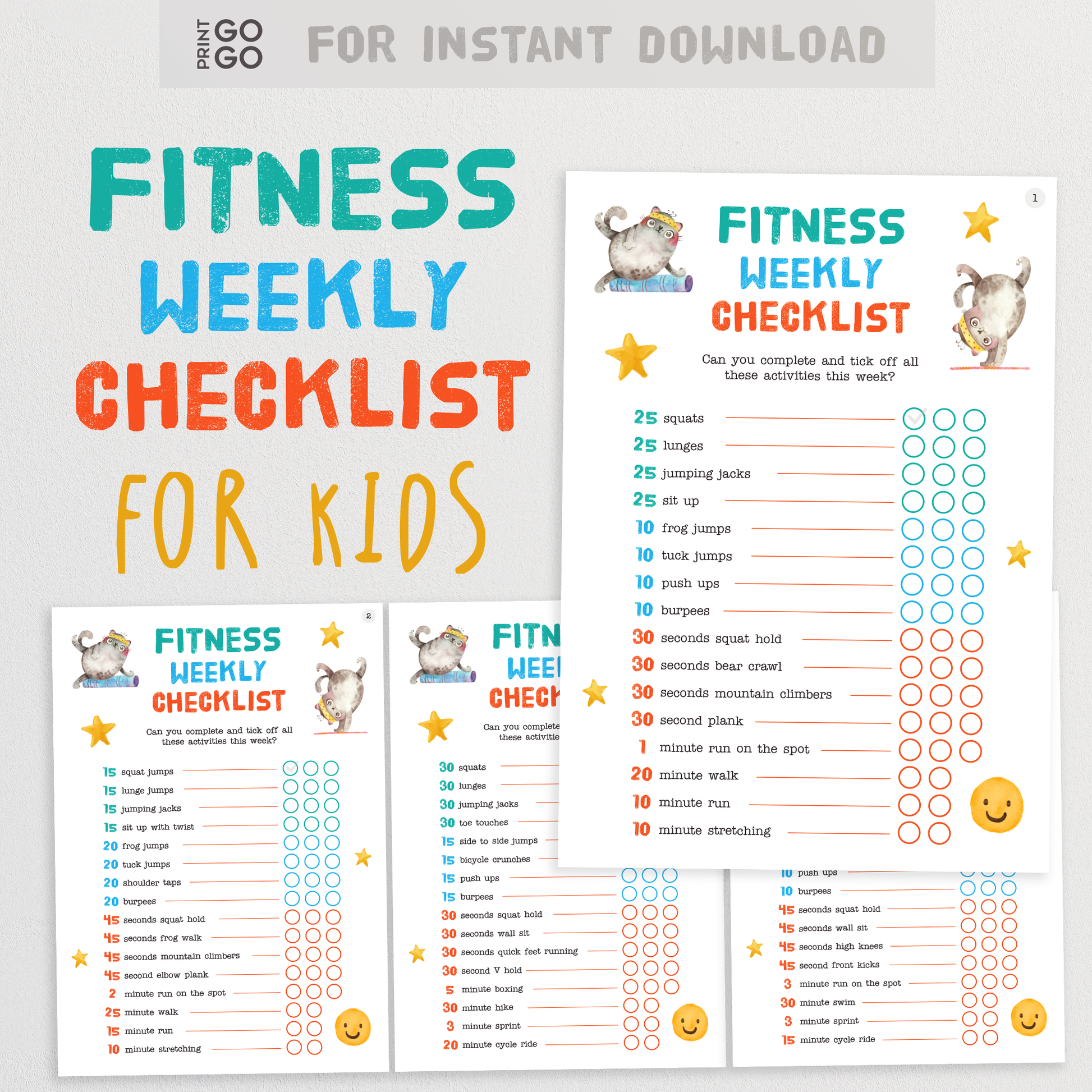
Bring your notes to your pediatric visit. Clear data helps decide next steps. Use them to guide your plan. If you ask again, What Age Do Kids Learn To Run And Jump?
Source: printgogo.store
Field Notes From Practice
I have supported many families in community play groups. A common pattern stands out. Kids who get daily floor time, outdoor time, and simple play prompts learn to run and jump on time.
Three lessons to use now
- Make play easy to start. Keep a tape line on the floor and jump at any time.
- Celebrate tries, not just wins. Joy grows skill.
- Change only one thing at a time. Lower the jump or slow the run, not both.
A frequent mistake is pushing the distance too soon. Short, soft jumps build control first. Then add distance. This small shift answers part of What Age Do Kids Learn To Run And Jump? Practice meets readiness.
Frequently Asked Questions: What Age Do Kids Learn To Run And Jump?
Is it normal if my 20‑month‑old does not run yet?
Yes, some toddlers take a little longer. Encourage daily play, and ask your pediatrician if walking began after 18 months or if you see frequent falls.
How far should a 3‑year‑old jump?
Many 3‑year‑olds jump forward 8–14 inches with two feet. The key is a safe takeoff and a soft, balanced landing.
Do boys learn to run and jump earlier than girls?
Differences are small in the early years. Opportunity, practice, and confidence matter more than sex.
Can screen time delay running and jumping?
Heavy screen time can displace active play. Keep screens limited and create daily chances for movement.
When should I ask for a physical therapy evaluation?
Ask if your child is not running by 24 months or not jumping with two feet by 36 months. Also, ask if movement looks very stiff, weak, or painful.
Conclusion
Running and jumping grow from balance, strength, and many small tries. Most kids run by 18 to 24 months and jump with two feet by 24 to 36 months. Steady play, safe spaces, and simple cues help skills bloom.
Use one idea today. Tape a line, count two-foot jumps, and cheer each try. If you need more support, talk with your pediatrician or a pediatric physical therapist.
Want more guides like this? Subscribe, share your questions, or leave a comment with your child’s wins.