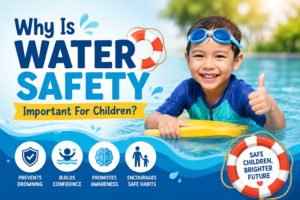
Learn why is water safety important for children? Get actionable tips to prevent drownings, boost confidence, and keep kids safe around pools, lakes, and baths. Water safety keeps children alive, prevents injuries, and builds lifelong respect for water. Parents and educators often ask, ” Why is water safety important for Children?
The short answer is survival and confidence. In my years of coaching swim teams and training parents in CPR, I have seen how a few simple habits can stop tragedies. This guide explains why water safety is important for Children, what skills matter most, and how to make every water setting safer without fear.
The stakes: what the data says about child drowning
Drowning is fast, silent, and common. In the United States, it is the leading cause of injury death for children ages 1 to 4 and a top cause for ages 5 to 14, according to national public health data. Most events happen in seconds, often when an adult is nearby but distracted. That is why water safety for Children should never be a seasonal thought.
Evidence shows swim lessons reduce risk for young children. Four-sided pool fencing blocks unsupervised access and cuts risk by more than half. Life jackets save lives on boats and in open water. These are simple steps with strong results.
Source: behaviorfrontiers.com
Key reasons water safety is non-negotiable for children
If you have ever asked, ” Why is water safety important for Children?, start with the core reasons. Water is part of daily life: baths, pools, beaches, rivers, and even buckets. Kids are curious. They move fast and do not spot danger the way adults do.
Water safety also protects long term health. Non-fatal drowning can lead to brain injury, learning delays, and trauma. Teaching safe habits early builds trust, not fear. Parents gain peace of mind, and children gain skills they carry for life.

Source: swimming.org
Core skills every child and caregiver should master
Water safety is a set of skills, not a single class. Many parents ask me, why is water safety important for Children if they are not ready to swim yet? The answer is that survival skills start on day one.
Children should learn:
- Breath control and calm face-in-water comfort
- Back float to rest and call for help
- Roll-to-float from prone to back
- Safe entry and exit from pool edges and steps
- Simple reach-and-grab to the wall without panic
Caregivers should learn:
- Constant, close, distraction-free supervision in and near water
- CPR with rescue breaths for drowning
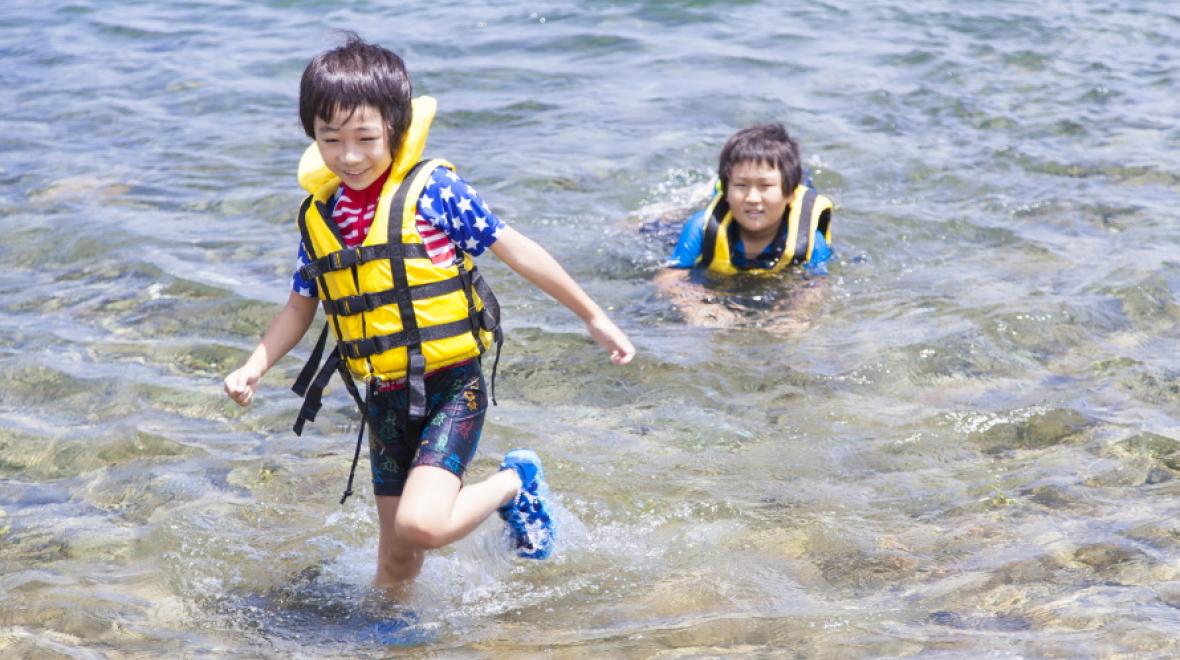
- How to use life jackets that fit and are approved
- How to scan water like a lifeguard, not like a casual watcher
Source: parentmap.com
High-risk places and how to make them safer
The answer to why water safety is important for Children becomes clear when you look at where incidents happen. Most young child drownings happen in home pools. Infants are at risk in bathtubs. Older kids get into trouble in lakes, rivers, and at beaches.
Make each setting safer:
- Home pools and spas: Use a four-sided fence with a self-latching gate. Add door alarms and pool covers rated for safety. Keep rescue gear and a phone nearby.
- Bathtubs and buckets: Stay within arm’s reach. Empty tubs and containers right after use. Do not rely on bath seats.
- Open water: Always use life jackets. Learn about cold shock, currents, drop-offs, and boat rules. Choose lifeguarded areas when possible.
- Beaches: Teach kids to identify rip currents and how to float and signal for help. Swim near a lifeguard.
Source: ymcacva.org
Evidence-based strategies for parents, schools, and communities
Why is water safety important for Children in a wider sense? Because layers of protection work best when families, schools, and cities act together. No single step is perfect, but many steps together close the gaps.
What to do:
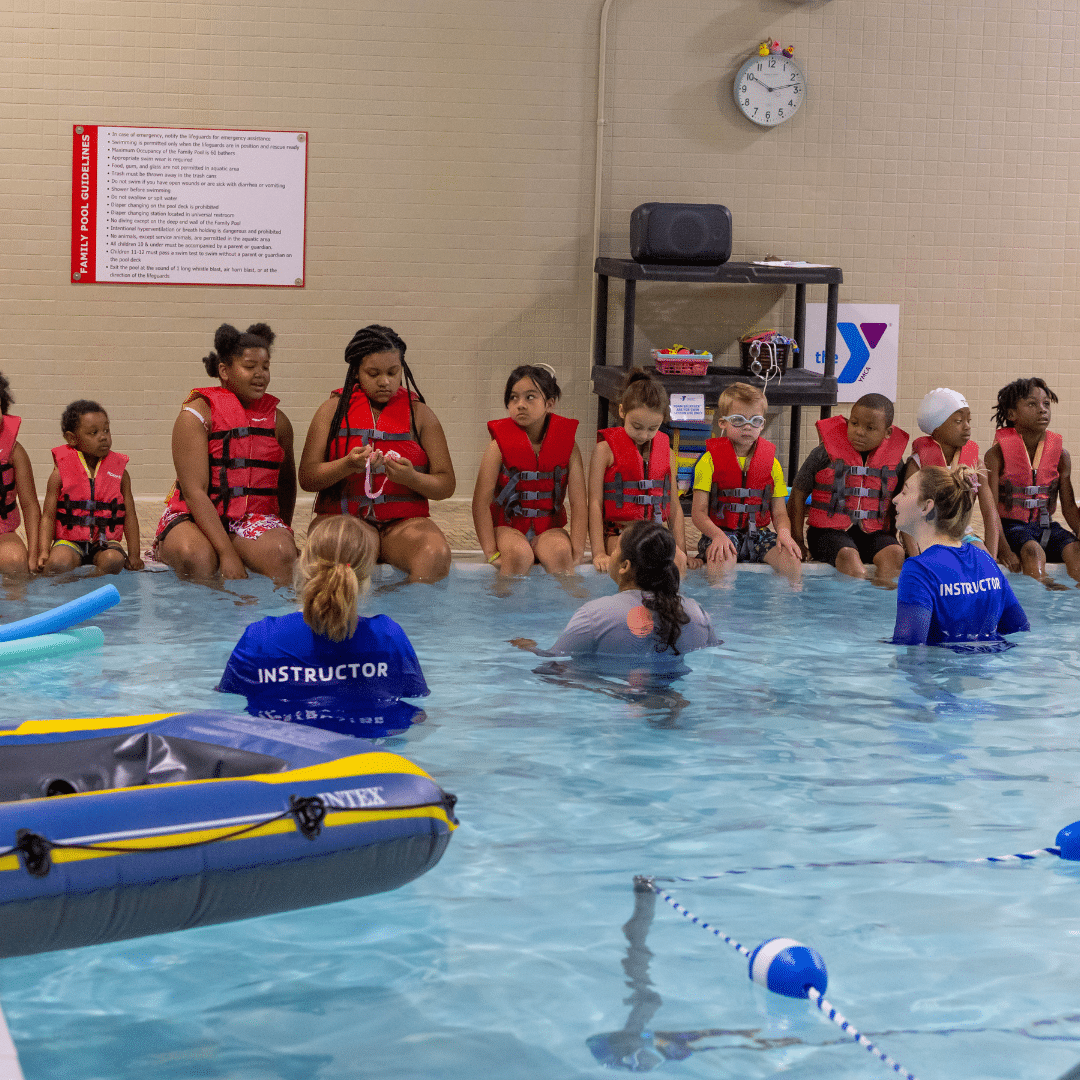
- Start swim lessons early when your child is developmentally ready. Research suggests this lowers the risk for ages 1 to 4.
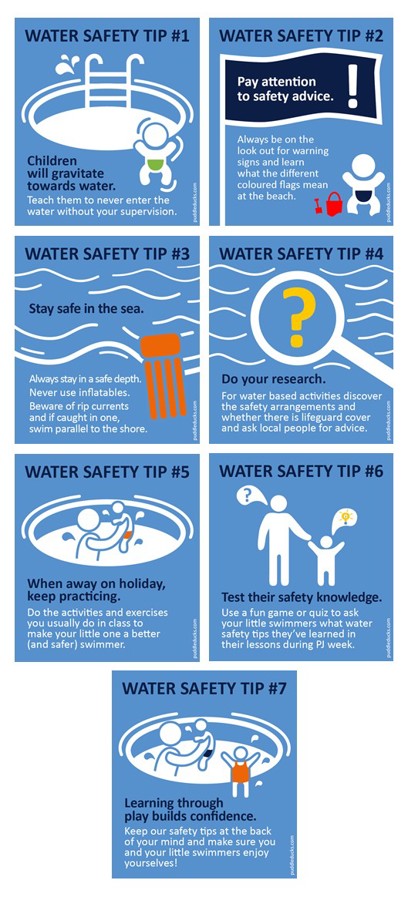
- Use layers of protection: fences, alarms, covers, supervision, swim skills, and life jackets.
- Train all caregivers and teens in CPR with breaths. Quick action saves lives.
- Support lifeguard staffing and safe swim zones. Beaches with lifeguards have very low fatality rates.
- Advocate for building codes that require pool barriers. Community rules protect every family, not just yours.
Source: puddleducks.com
My personal lessons from the pool deck
As a swim coach and parent educator, I learned that the small things matter. A father once told me, “I only looked at my phone for a minute.” It was enough for his toddler to slip out the back door. A fence and an alarm would have blocked that path.
I have also seen how calm practice can change a child’s fate. One student froze when water touched her face. We worked on slow exhale and starfish float each week. Months later, she slipped in during a party. She rolled to her back and shouted for help. Moments like this answer why is water safety important for Children better than any chart.

Source: usapoolsmd.com
Myths that put kids at risk
Clearing myths helps answer why is water safety important for Children in a real way. Bad ideas create false safety.
Common myths:
- “I will hear a splash.” Most drownings are silent and quick.
- “Floaties mean safe.” Inflatable toys slip or pop. Use proper life jackets.
- “He is a good swimmer.” Even strong swimmers tire or cramp. Open water adds cold, waves, and currents.
- “I am right here.” Supervision fails when distracted. Put the phone down. Assign a water watcher.

Source: fideliscare.org
Tools, tech, and policy that save lives
Parents ask again, why is water safety important for Children if I have tech? Tech helps, but it is not a cure-all. Use it to support, not replace, eyes-on care.
Helpful tools:
- Coast Guard-approved life jackets sized for kids
- Pool alarms, door alarms, and safety covers that meet standards
- Bright swimwear for visibility in pools and lakes
- Throw rings and reach poles near pools
- Weather and surf apps to check wind, rip risk, and water temp
Policy wins:
- Four-sided fencing in building codes
- School and camp water safety curricula
- Funding for community swim lessons and lifeguards
Frequently Asked Questions: Why is water safety important for Children?
Why is water safety important for Children if my child can already swim?
Even strong swimmers can struggle in cold currents or deep water. Safe habits and layers of protection reduce risk in every setting.
Why is water safety important for Children during bath time?
Infants and toddlers can drown in inches of water. Stay in arm’s reach and empty the tub right away.
Why is water safety important for Children at home pools?
Most young child drownings happen in residential pools. Four-sided fencing, alarms, and close supervision prevent unsupervised access.
Why is water safety important for Children when we visit lakes and rivers?
Open water has drop-offs, weeds, and changing currents. Use life jackets and pick lifeguarded areas when possible.
Why is water safety important for Children at parties?
Social settings distract adults. Assign a sober water watcher who scans the water at all times.
At what age should lessons start, and do they really help?
Start when your child is ready to learn basic skills, often around age one or later. Research shows that early lessons lower drowning risk for young children.
Does CPR training make a real difference?
Yes. Immediate CPR with breaths can buy time and improve outcomes until help arrives.
Conclusion
Water safety is a daily habit, not a summer task. The simple steps above answer why is water safety important for Children with action: teach skills, add layers of protection, and watch the water without distraction. Children gain safety, confidence, and joy when we build these habits early.
Choose one step today. Book swim lessons, install a gate, or take a CPR class. If this guide helped, share it with a friend, subscribe for more family safety insights, or leave a question so we can help next.