
Can Babies Sleep In A Swing At Night? Learn the safety risks, expert guidance, and safer sleep options every parent should know. No, babies should not sleep in a swing at night because swings are not safe sleep spaces. Parents often ask, “Can babies sleep in a swing at night?” because gentle motion may calm a tired baby.
However, infant sleep safety guidance is clear: babies should sleep on their backs, on a firm, flat, level surface made for sleep. This guide explains the risks, what to do if your baby falls asleep in a swing, and how to create a safer bedtime routine.

Source: jneurovirol.com
Can Babies Sleep in a Swing at Night?
No. Babies should not sleep in a swing at night or during routine naps. A swing is made for supervised sitting and soothing, not for long, unsupervised sleep.
The American Academy of Pediatrics recommends that infants sleep on their backs in a crib, bassinet, or portable play yard. The sleep surface should have a firm, flat mattress with only a fitted sheet.
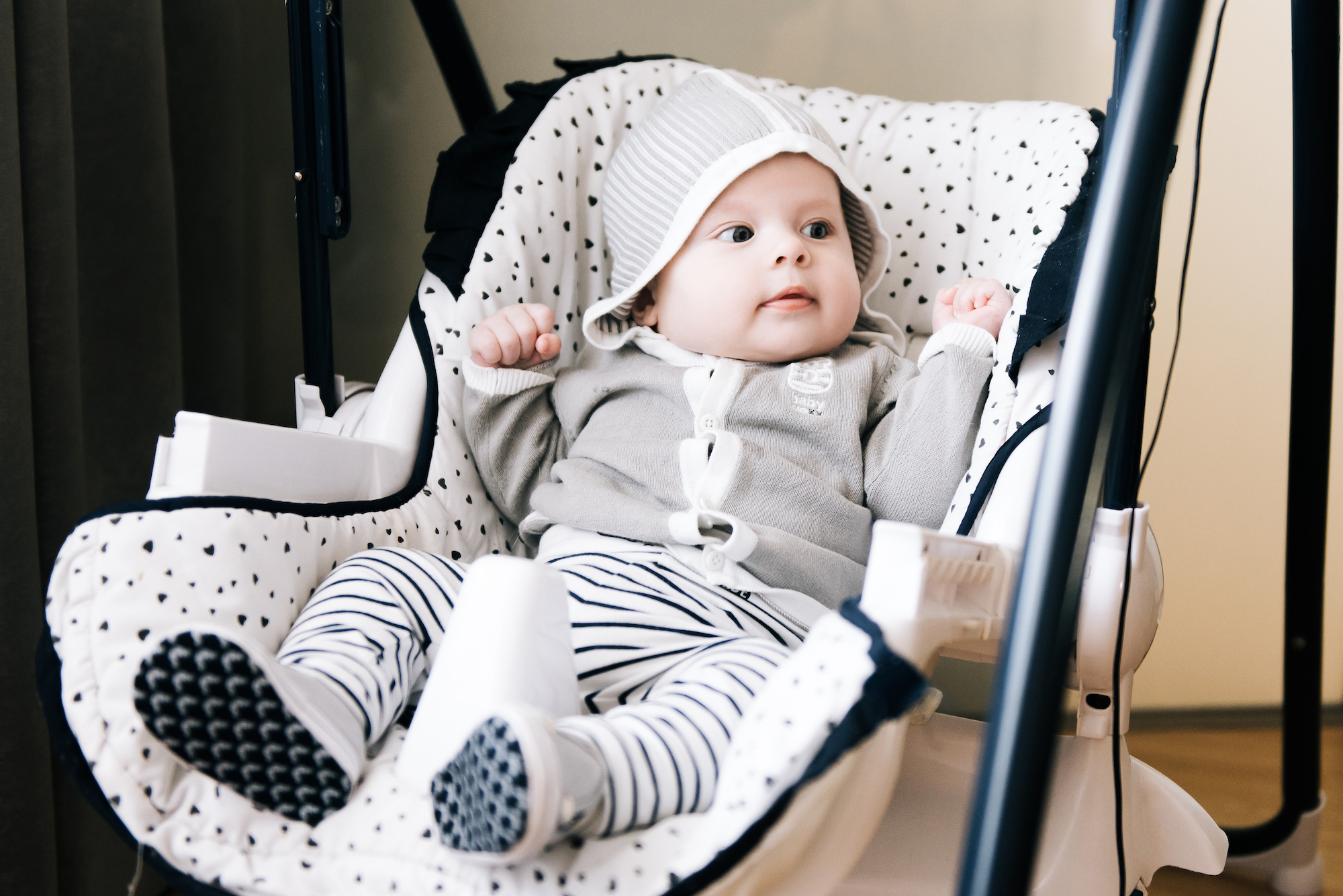
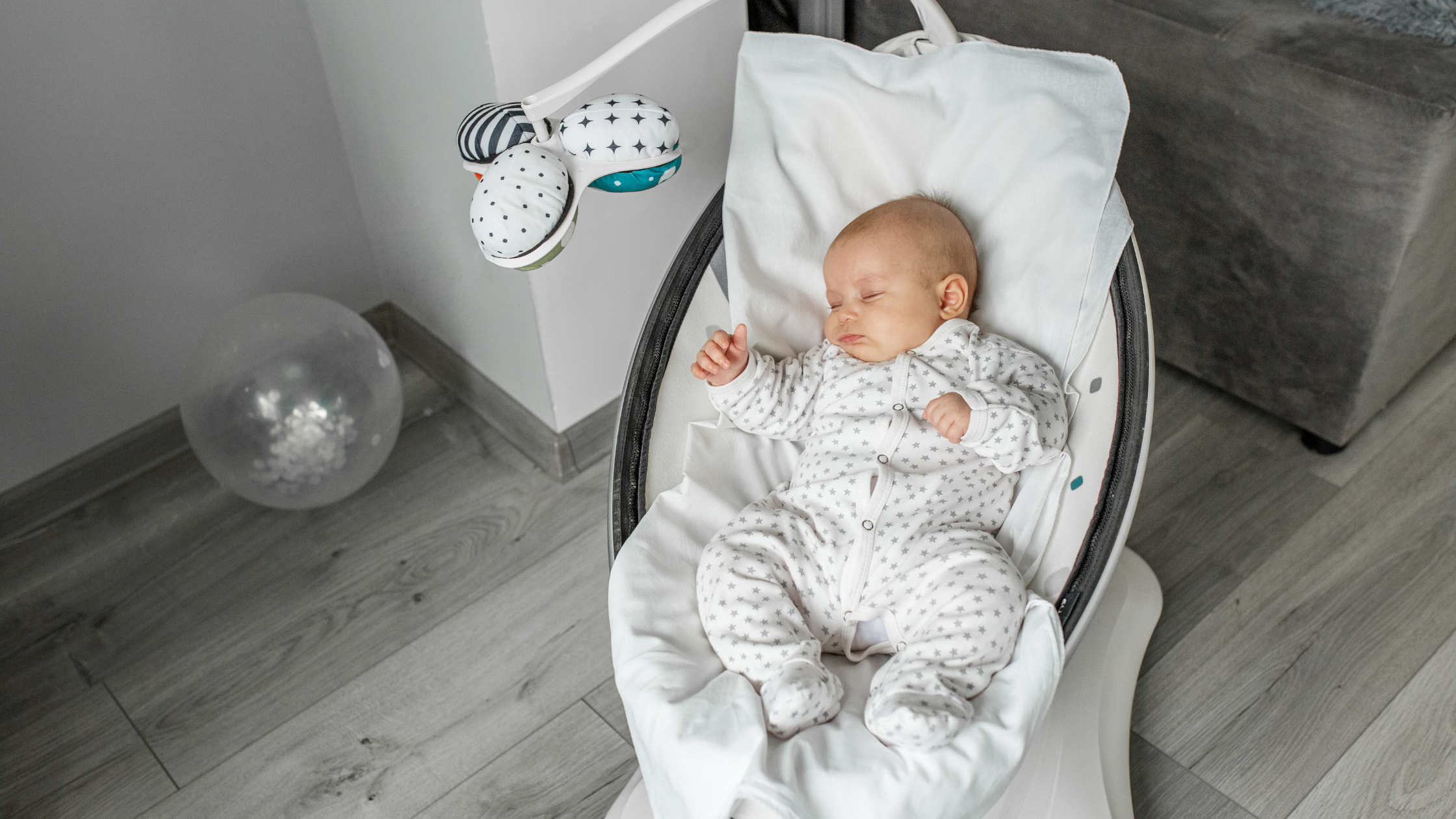
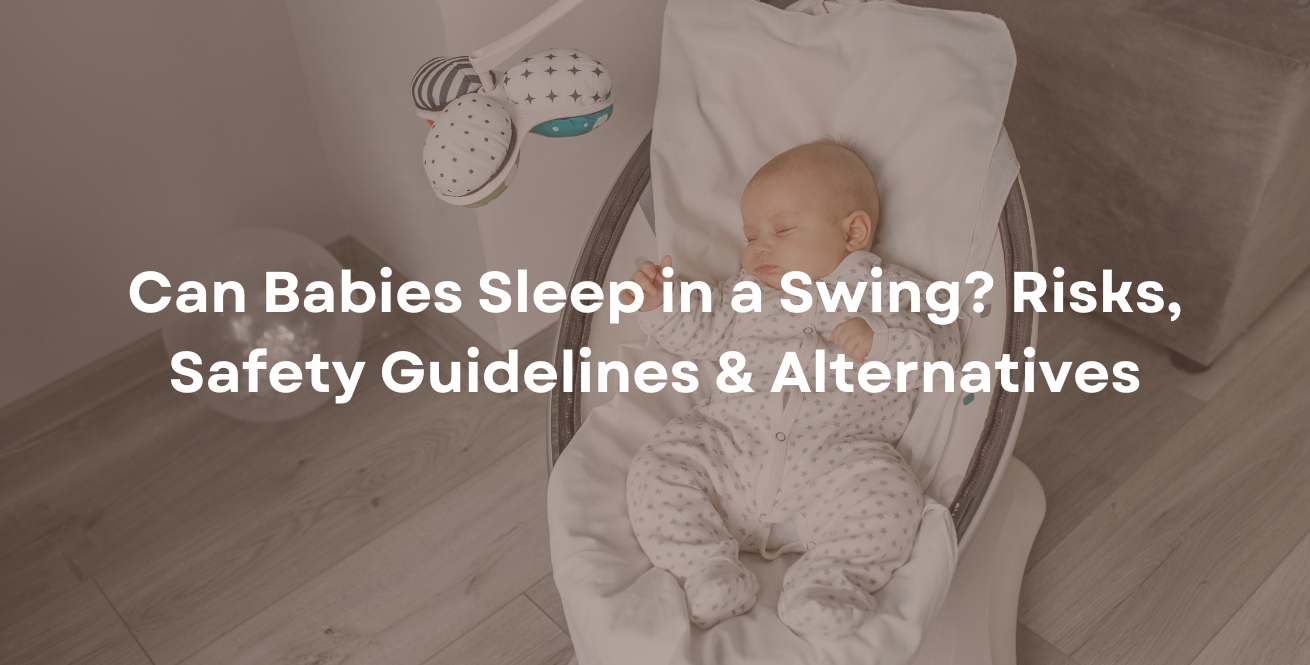
A swing can place a baby in a curved or partly upright position. This position may allow the head to fall forward. The chin can press toward the chest and make breathing harder. A young baby may not have the strength to move the head back into a safe position.
This is why the answer to “Can babies sleep in a swing at night?” is no, even when the baby seems calm and comfortable.
Source: sleepfoundation.org
Why Is Swing Sleep Unsafe for Babies?
Baby swings can be useful for short periods when an adult is watching closely. They become unsafe when used as a regular sleep space or when a baby is left alone.
Risk of airway blockage
Infants have weak neck muscles. When a baby sleeps in a seated or sloped position, the head can slump forward or to the side. This may narrow the airway.
A baby does not always wake or cry when breathing becomes difficult. Quiet sleep can sometimes hide a serious problem. The risk is greater for newborns, premature babies, and babies with low muscle tone.
Risk of suffocation
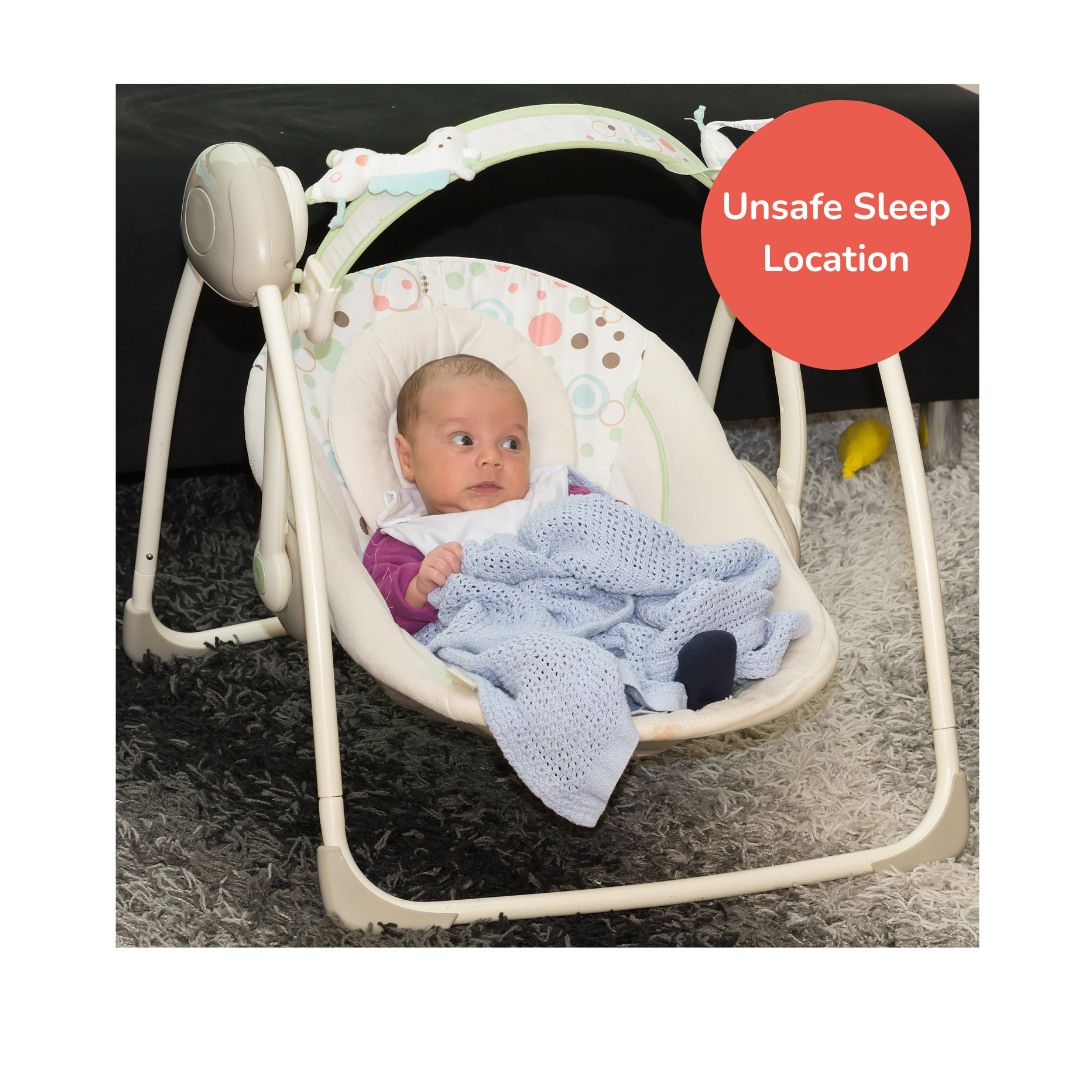
A swing may contain straps, padding, toys, or soft fabric. These items can press against a baby’s face or restrict movement.
The safest sleep space has no pillows, blankets, bumper pads, stuffed toys, or positioners. A fitted sheet on a firm mattress is enough.
Risk of falling
A baby may wiggle, arch, or lean over the side of a swing. As babies grow, they can often move more than parents expect.
A baby who cannot roll in the morning may begin rolling later that day. For this reason, caregivers should not depend on a swing’s restraint system to make sleep safe.
Risk from prolonged sitting
Long periods in a seated device can place pressure on a baby’s head and body. It may also limit free movement.
A swing can be helpful for brief, supervised use. It should not replace floor time, holding, or a safe sleep space.
These concerns explain why “Can babies sleep in a swing at night?” has a firm safety-based answer.
Source: hometownpainters.com
What Should You Do If Your Baby Falls Asleep in a Swing?
Many babies fall asleep in swings. This can happen after feeding, during a fussy period, or while a caregiver is trying to finish a simple task. Do not panic, but move the baby as soon as you notice.
Follow these steps:
- Check that the baby is breathing normally.
- Keep the baby’s face clear of straps, fabric, and toys.
- Unbuckle the baby carefully.
- Move the baby to a crib, bassinet, or portable play yard.
- Place the baby flat on the back.
- Keep the sleep area empty except for a fitted sheet.
If the baby looks blue, struggles to breathe, becomes unusually limp, or does not respond, call 911 immediately. Trust your instincts when something looks wrong.
A sleeping baby may seem peaceful in a swing, but peaceful does not always mean safe. This is the key lesson behind the question, “Can babies sleep in a swing at night?”

Source: velo-express.ch
Is It Safe to Use a Swing While You Watch the Baby?
A swing may be used for short, supervised periods while the baby is awake. Supervision means staying close enough to respond at once. It does not mean checking through a monitor from another room.
Keep these safety tips in mind:
• Place the swing on the floor, never on a table, bed, sofa, or counter.
• Use the harness exactly as the manufacturer directs.
• Keep the swing away from stairs, cords, pets, heaters, and other hazards.
• Stay within reach when possible.
• Stop use when the baby shows signs of trying to sit, climb, roll, or lean out.
• Follow the product’s age, weight, and height limits.
• Never use a swing as a substitute for a crib or bassinet.
A caregiver may watch a baby closely and still miss a quick change in posture. That is why supervised swing use is different from safe sleep.
What Is a Safe Sleep Environment?
A safe sleep environment is simple. It gives the baby a clear, firm, flat place to sleep without extra items.
The safest setup includes:
• A crib, bassinet, or portable play yard that meets current safety standards
• A firm, flat, level mattress
• A fitted sheet made for that mattress
• The baby placed on the back for every sleep
• A smoke-free area
• A comfortable room temperature
The sleep space should be near the caregiver’s bed, but the baby should have a separate sleep surface. Room sharing is recommended because it can make feeding and checking easier while reducing some sleep-related risks.
Bed sharing is not the same as room sharing. A baby can be close to you without sleeping on an adult mattress, couch, or recliner.
What should a baby wear for sleep?
A wearable blanket or sleep sack can help keep a baby warm without loose bedding. Do not use weighted sleep sacks, weighted swaddles, or heavy blankets unless a qualified medical professional specifically advises you.
Stop swaddling when the baby shows signs of trying to roll. Once rolling begins, the baby should have free movement of both arms.
Why Do Babies Sleep Better in Swings?
Motion can calm some babies. The steady movement may remind them of being carried. The sound and rhythm can also reduce crying for a short time.
This does not make the swing a safe sleep product. It only means the swing may soothe the baby while an awake adult watches.
Babies may also sleep better in a swing because they are tired, not because the swing is the right place to sleep. The same baby may sleep safely in a crib after a short calming routine.
Try safer calming methods such as:
• Holding and rocking the baby while awake
• Offering a feed if the baby shows hunger cues
• Using a clean, firm pacifier if breastfeeding is established or if your clinician approves
• Lowering lights and noise
• Singing softly
• Using a sleep sack
• Placing the baby in the crib when drowsy but awake when practical
A common real-life lesson is that a swing may solve the crying in the moment but create a hard habit later. Using it only for brief soothing can help protect both safety and sleep routines.
Source: codlook.com
Can Babies Sleep in a Swing at Night If They Are Closely Monitored?
No. Close monitoring does not make swing sleep safe for the whole night. A caregiver may become tired, look away, or fall asleep too.
Nighttime creates extra risk because adults are less alert. A swing also does not provide the firm, flat sleep surface recommended for infants.
If your baby falls asleep during supervised swing use, transfer the baby to a safe sleep space. If the transfer wakes the baby, use a calm routine rather than returning to overnight swing sleep.
The answer to “Can babies sleep in a swing at night?” remains no, even when a monitor is running or an adult is nearby.
Source: momcozy.com
How Can You Move a Sleeping Baby From a Swing?
A careful transfer may reduce waking, but waking is not a safety failure. Safety matters more than preserving a nap.
Try this approach:
- Prepare the crib before moving the baby.
- Turn off the swing and release the harness.
- Support the baby’s head and neck.
- Keep the baby close to your body during the transfer.
- Lower the baby’s feet first, then the shoulders and head.
- Place the baby on the back.
- Remove your hands slowly.
- Pause if the baby stirs, then soothe with a quiet voice.
Do not add a pillow, rolled towel, wedge, or sleep positioner to keep the baby still. These products can create new hazards.
If transfers fail often, review the baby’s wake time, feeding needs, room temperature, and bedtime routine with a pediatrician.

Source: sleepfoundation.org
Safe Alternatives to Nighttime Swing Sleep
Parents often turn to a swing because they need rest. That need is real. The safer solution is to improve the sleep routine and share caregiving when possible.
Consider these options:
Use a crib or bassinet from the start
Place the baby in the safe sleep space for naps and nighttime sleep. Repeated practice can make the crib feel familiar.
Keep the routine short
A simple routine may include a diaper change, feeding, burping, a sleep sack, a song, and placement in the crib. The order matters less than doing it in a calm, repeatable way.
Share night duties
If another trusted adult is available, take shifts. One adult can soothe while the other rests.
Take breaks safely
If crying feels overwhelming, place the baby on the back in the crib and step away for a few minutes. Never shake a baby. Call someone you trust for support.
Ask about medical causes
Talk with a pediatrician if your baby seems uncomfortable when lying flat, has frequent choking, poor weight gain, loud breathing, or repeated vomiting. Do not use a swing to manage possible reflux or breathing problems without medical advice.
Do Swings Help With Reflux?
A swing may make a baby look more upright, but it is not a safe treatment for reflux during sleep. The American Academy of Pediatrics recommends placing babies flat on their backs even when they have reflux.
Most healthy babies do not choke because they sleep on their backs. Their airway anatomy and gag reflex help protect them.
Never raise one side of the crib mattress or place the baby on the stomach to manage reflux. These changes can increase the risk of sliding, airway blockage, or suffocation.
If reflux symptoms are severe, speak with the baby’s healthcare professional. Signs such as green vomit, blood, breathing trouble, dehydration, or poor weight gain need prompt medical attention.
Common Mistakes to Avoid
Even careful parents can make unsafe choices when they are exhausted. These mistakes are especially common:
• Letting a baby remain in the swing after falling asleep
• Covering the swing with a blanket
• Adding a pillow or insert not approved by the manufacturer
• Using the swing on a bed or sofa
• Assuming a harness prevents all breathing problems
• Using a swing overnight because the baby has reflux
• Relying only on a video monitor
• Continuing use after the baby begins rolling or climbing
• Buying a used swing without checking recalls or missing parts
Check the product label and the U.S. Consumer Product Safety Commission’s recall information. Follow the current instructions, not advice from an old manual or social media post.
What Experts Recommend About Infant Sleep Safety
Leading pediatric and public health guidance follows the same basic message:
• Back to sleep for every nap and nighttime sleep
• Firm, flat, level sleep surface
• Separate sleep space
• No loose bedding or soft objects
• Room sharing without bed sharing
• Avoid smoke, alcohol, sedating medicines, and overheating around infant sleep
• Stop swaddling when the baby shows signs of rolling
These recommendations are based on safety reviews and investigations of sleep-related infant deaths. They are not meant to judge parents. They are meant to give families a clear plan during a very tiring stage of life.
Product marketing can be confusing. A swing may say it comforts a baby, but that does not mean it is approved for sleep. Always separate soothing claims from safe sleep guidance.
Frequently Asked Questions About Can Babies Sleep in a Swing at Night?
Can babies sleep in a swing at night for a short time?
Babies should not be placed in a swing for planned sleep, even for a short nap. If a baby falls asleep there, move the baby to a firm, flat sleep surface as soon as possible.
What should I do if my newborn falls asleep in a swing?
Check the baby’s breathing, then gently move the baby to a crib, bassinet, or portable play yard. Place the baby on their back and remove loose items from the sleep area.
Can a baby sleep in a swing if the straps are fastened?
No. Straps may reduce the chance of falling, but they do not prevent the head from slumping or the airway from becoming blocked. A swing’s harness does not turn it into a safe sleep space.
Can babies sleep in a swing at night if they have reflux?
No. Babies with reflux should still sleep flat on their backs unless a healthcare professional gives different, specific instructions. Ask a pediatrician about severe or persistent reflux symptoms.
Is it safe for a baby to nap in a swing while I watch?
A swing should be used only for brief, supervised periods while the baby is awake. If the baby falls asleep, move the baby to a safe sleep surface instead of allowing the nap to continue.
When should I stop using a baby swing?
Stop using the swing when the baby reaches the product’s limit or begins trying to roll, sit, climb, or lean out. Always follow the manufacturer’s age, weight, height, and development guidance.
Conclusion
Can babies sleep in a swing at night? No. Swings are for brief, supervised soothing, not for nighttime sleep or routine naps. The safest choice is a crib, bassinet, or portable play yard with a firm, flat mattress, a fitted sheet, and no loose items.
If your baby falls asleep in a swing, stay calm and transfer the baby to the safe sleep space. Share this guidance with every caregiver, review current product instructions, and talk with your pediatrician about sleep concerns. Explore trusted infant sleep resources and leave a comment with the bedtime challenge you are working through.