Get clear answers to Are plastic teething toys safe for babies? See risks, safer materials, and pediatrician-approved tips for soothing sore gums. Most plastic teething toys are safe when certified, non-toxic, and used correctly.
Parents often ask, Are Plastic Teething Toys Safe For Babies?, and the short answer hides many details. I have tested and used more brands than I can count, and I have seen what works in real homes.
In this guide, I break down the science, the laws, and real-life tips, so you can shop with calm and use teethers with care. Keep reading to learn how to spot safe options, avoid red flags, and set a simple routine that protects your little one every day.

Source: amkglobalgroup.com
What Counts As a Plastic Teether and How Do Babies Use Them?
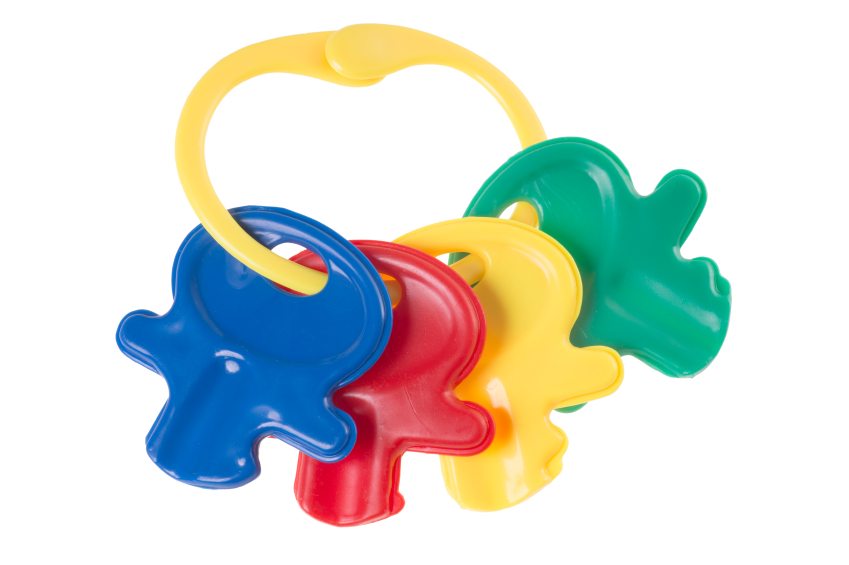
Plastic teething rings are chewable toys made to ease sore gums. Babies mouth them to massage tissue, drool more, and explore shapes and textures. Good designs are light, easy to grip, and have safe edges.
Common plastics and what they mean:
- Polypropylene PP. Often food-grade and sturdy. Good heat resistance.
- Polyethylene PE, LDPE, HDPE. Soft, flexible, and low-cost. Often safe for food contact.
- EVA ethylene vinyl acetate. Soft and rubbery without plasticizers. Often used for soft teethers.
- PVC polyvinyl chloride. Needs plasticizers. It can be risky if phthalate-based. Best to avoid unless PVC-free and fully tested.
- Mixed plastics category 7. It can be safe, but labels must be clear. Ask for full testing.
Key label terms:
- BPA-free. Bisphenol A is now restricted in many baby items.
- Phthalate-free and PVC-free. Helps avoid risky plasticizers.
- Food-grade or medical-grade. Signals tighter controls on additives.
Are Plastic Teething Toys Safe For Babies? They can be when materials are known, additives are controlled, and products pass strict tests.
Source: lougheedmalldentist.com
What the Science Says About Safety
Safety depends on the plastic, the additives, and the maker’s quality controls. Are Plastic Teething Toys Safe For Babies? Studies show that PP, PE, and EVA have low chemical migration when made well and used as directed. Many regions restrict BPA and phthalates in baby items, which further lowers the risk.
Main concerns to weigh:
- BPA and bisphenols. Largely banned in baby bottles and limited in kids’ goods. Some firms use BPS or BPF; ask for “bisphenol-free,” not only BPA-free.
- Phthalates. Several types are restricted in children’s products. Choose clearly phthalate-free items.
- PVC. Soft PVC may need plasticizers and stabilizers. If you cannot confirm the formula and testing, skip it.
- Heavy metals in paints or films. Reputable brands test for lead, cadmium, and other metals.
- Microplastics. Chewing can cause minor wear. Lab tests show very low migration in safe plastics, but replace any toy that roughens or sheds.
Real risk often comes from low-quality imports, counterfeit items, or old stock with outdated formulas. When in doubt, buy from known brands with third-party lab results.

Source: amazon.com
How To Evaluate a Plastic Teether Before You Buy
Use this fast checklist in the aisle or online. Are Plastic Teething Toys Safe For Babies? They are more likely to be when they meet these points.
- Look for standards. CPSIA compliance, ASTM F963, and EN 71 are key toy safety standards. Food-contact compliance, like FDA, EU food-contact rules, or LFGB, adds confidence.
- Demand third-party testing. The best brands share a current test summary or certificate of conformity.
- Check material clarity. PP, PE, or EVA noted on the pack is a good sign. Avoid vague terms like safe plastic without details.
- Read claims closely. BPA-free, phthalate-free, and PVC-free should all appear.
- Do a smell test. Strong chemical or perfume scent is a red flag.
- Avoid paint and films. Solid-colored plastics with no surface coatings reduce flake risk.
- Check recycling code. 2 HDPE, 4 LDPE, and 5 PP are common and often safe. Avoid 3 PVC and unclear 7 unless fully documented.
- Inspect the build quality. No sharp seams. No small, glued-on parts. No loose fillings.
Benefits and Drawbacks of Plastic Teethers vs Alternatives
Plastic teething rings are common for a reason, but they are not the only choice. Are Plastic Teething Toys Safe For Babies? Yes, and here is how plastic compares to other options.
Plastic pros:
- Light, cheap, and easy to grip.
- Can be textured for gum relief.
- Often dishwasher safe.
Plastic cons:
- Some types may use risky additives if not well-made.
- Can scratch with rough use and needs faster replacement.
Silicone pros:
- Food-grade silicone is stable and easy to clean.
- Soft and soothing with flexible textures.
Silicone cons:
- Some cheap silicones may have fillers. Look for platinum-cured and third-party tested.
Natural rubber pros:
- Soft bite with great grip.
- Many babies love the bounce.
Natural rubber cons:
- Latex allergy risk for some. Watch for fragrance or surface paints.
Wood pros:
- Hard, smooth pressure for sore gums.
- Simple and long-lasting when sealed well.
Wood cons:
- Needs careful sealing and drying. Never soak.
Fabric or chilled washcloth pros:
- Easy at home, great for early teething.
- Gentle on gums.
Fabric cons:
- Must be cleaned often. Wears faster.

Source: amazon.com
Safe Use, Cleaning, and Care
Safe use matters as much as safe materials. Are Plastic Teething Toys Safe For Babies? Yes, when you follow a simple care plan.
Daily routine:
- Wash before first use. Then clean after each day of heavy chewing.
- Use warm water and mild dish soap. Rinse well and air dry.
- If dishwasher safe, place on the top rack. Avoid heat-dry if the label warns.
- Do not boil or microwave steam unless the maker says it is safe.
Chill tips:
- Chill in the fridge, not the freezer. A frozen toy can be too hard and may crack lips or gums.
- Water-filled teethers must never be frozen solid unless the maker states it is safe.
Ongoing checks:
- Inspect often. Look for cracks, cloudy spots, sticky areas, or a change in smell.
- Replace at the first sign of wear. As a rule of thumb, plan to swap every 3 to 6 months, or sooner for heavy chewers.
- Store clean and dry. Use a vented case for travel. Avoid leaving in the sun or hot cars.
Safety basics:
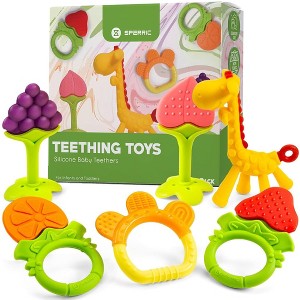
- Supervise babies under 3 years.
- Never tie a teether around the neck. Use a short, breakaway strap if needed.
- Keep spares. Rotate to reduce wear and keep things clean.
Source: target.com
Real-World Insights and Mistakes To Avoid
In my product testing work, I once flagged a cute animal teether with a strong vanilla scent. It looked premium, but the coating failed a migration test. Parents loved the smell, but the safest choice was scent-free. Lesson learned: scent is not a safety feature.
At home, my child chewed a water-filled ring nonstop for weeks. I noticed a tiny seam bubble after a dishwasher cycle. We swapped to a solid PP and EVA design with no fill. No leaks, and cleaning was easy. Another small fix that boosted peace of mind.
Practical takeaways:
- Pick simple, one-piece designs.
- Skip fragrances and painted details.
- Keep two or three safe favorites and rotate.
- Are Plastic Teething Toys Safe For Babies? Yes, when you keep it simple, scent-free, and well tested.

Source: amazon.com
Are Plastic Teething Toys Safe For Babies? A Balanced Verdict
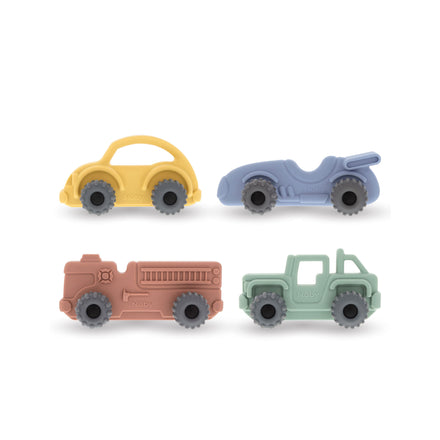
Here is the bottom line. Are Plastic Teething Toys Safe For Babies? With known materials like PP, PE, or EVA, strict testing, and good care, the risk is low. Many families use them every day with no issues.
Where does risk rise? Cheap PVC, unclear additives, painted films, perfume scents, and poor quality control. Avoid those, and you remove most hazards. Your best allies are clear labels, third-party test proof, and simple, solid designs.
A quick buyer’s checklist:
- Choose PP, PE, or EVA. Confirm BPA-free, phthalate-free, and PVC-free.
- Look for CPSIA, ASTM F963, and EN 71 mentions.
- Favor one-piece, no-fill, no-paint styles.
- Keep clean, inspect often, and replace at first wear.
- Remember, Are Plastic Teething Toys Safe For Babies? Yes, when you pick well and use with care.
Source: nuby.com
Frequently Asked Questions
Which plastics are safest for baby teethers?
PP, PE, and EVA are common safe choices when third-party tested. Avoid PVC unless the maker provides full, current test data.
Are water-filled plastic teething rings safe?
They can be, but inspect seams often and avoid freezing solid. If you see bubbles, leaks, or a change in shape, replace right away.
Do plastic teethers release microplastics?
Chewing can cause tiny wear over time, but well-made plastics show very low migration. Replace any toy that roughens, flakes, or feels sticky.
How should I clean a plastic teether?
Use warm water and mild dish soap, then rinse and air dry. If labeled dishwasher safe, place on the top rack and avoid heat-dry if warned.
Can I put a teether in the freezer?
Use the fridge, not the freezer, unless the maker says it is safe. Frozen toys can get too hard and may crack or stress the material.
What labels prove a teether is safe?
Look for CPSIA compliance and toys tested to ASTM F963 or EN 71. Food-contact claims and third-party lab testing add trust.
When should I replace a plastic teether?
Replace at the first sign of cracks, cloudiness, stickiness, or odd smells. Heavy chewers may need a new one every 3 to 6 months.
Are Plastic Teething Toys Safe For Babies if they are BPA-free?
BPA-free is a good start, but check for phthalate-free and PVC-free too. Ask for proof of full testing, not just one claim.
Conclusion
Parents ask, Are Plastic Teething Toys Safe For Babies?, because they want clear, practical answers. The safe path is simple: choose known materials, demand real testing, and use a short, steady care routine. Keep designs simple, skip scents and paints, and replace at the first sign of wear.
You can make a safe choice today. Review your current teethers, set a weekly cleaning plan, and bookmark a few trusted brands. If this guide helped, share it with a friend, subscribe for more parenting safety tips, or leave a comment with your favorite safe teether brands.