
Learn How To Start Potty Training A Girl with gentle steps, helpful tips, and signs she’s ready for a confident, stress-free transition. Start potty training a girl when she shows readiness, then use calm routines, simple words, and steady support.
Learning how to start potty training a girl is less about finding a perfect age and more about noticing her signals, preparing the space, and making toilet use feel safe. Drawing on pediatric guidance and common caregiver experience, this guide explains each step, from the first practice sit to handling accidents, constipation, daycare, and nighttime dryness.
When Should You Start Potty Training a Girl?
Most children begin potty training between 18 months and 3 years, but readiness varies widely. Some girls learn in a few days, while others need several weeks or months. Age can offer a rough guide, but behavior gives you better information.
A girl may be ready when she can:
• Stay dry for about two hours
• Notice or announce that she needs to pee or poop
• Walk to the bathroom and pull clothing down
• Follow simple instructions
• Show interest in the toilet or underwear
• Dislike wearing a wet or dirty diaper
• Hide to poop or pause during a bowel movement
• Copy adults or older children using the bathroom
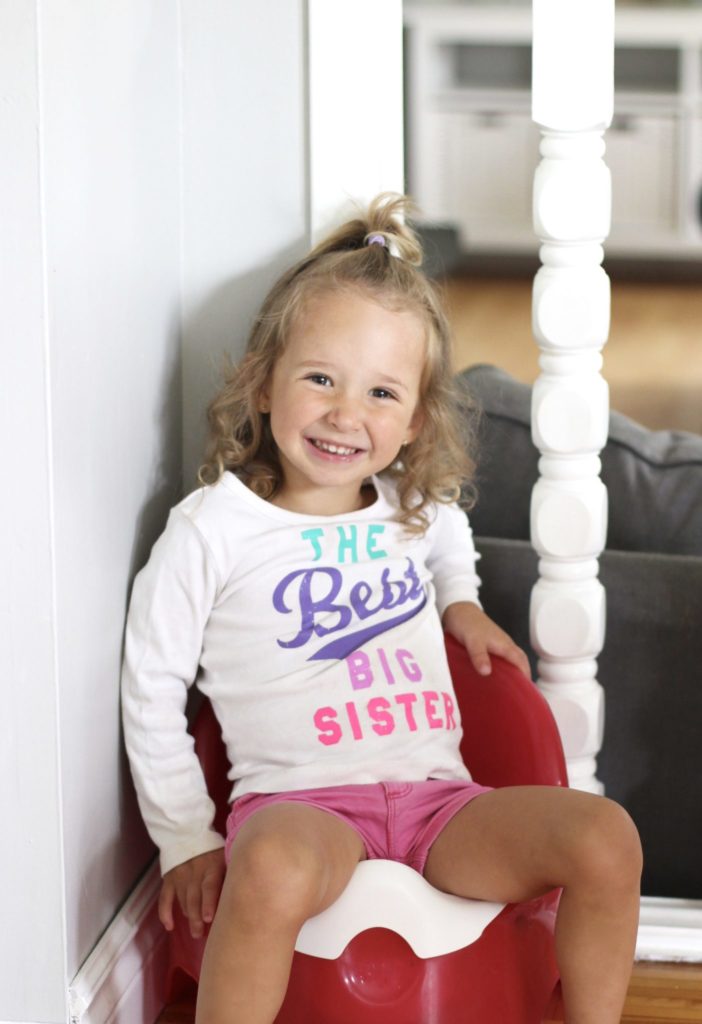
How to start potty training a girl works best when she shows several of these signs. One sign alone does not always mean she is ready. For example, curiosity about the toilet may appear long before she can control her bladder.
Avoid starting during a major change, such as moving, welcoming a new baby, changing child-care settings, or recovering from illness. A calm period gives your child more energy for learning.
Source: northsouthblonde.com
How to Prepare for Potty Training
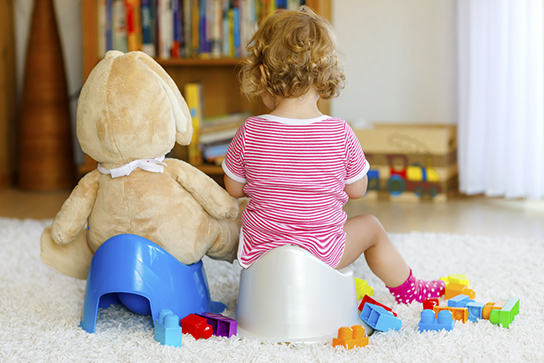
Preparation makes the toilet feel familiar instead of strange. Let your daughter see the potty chair before you expect her to use it. Place it in the bathroom or another easy-to-reach spot, and allow her to sit on it fully clothed at first.
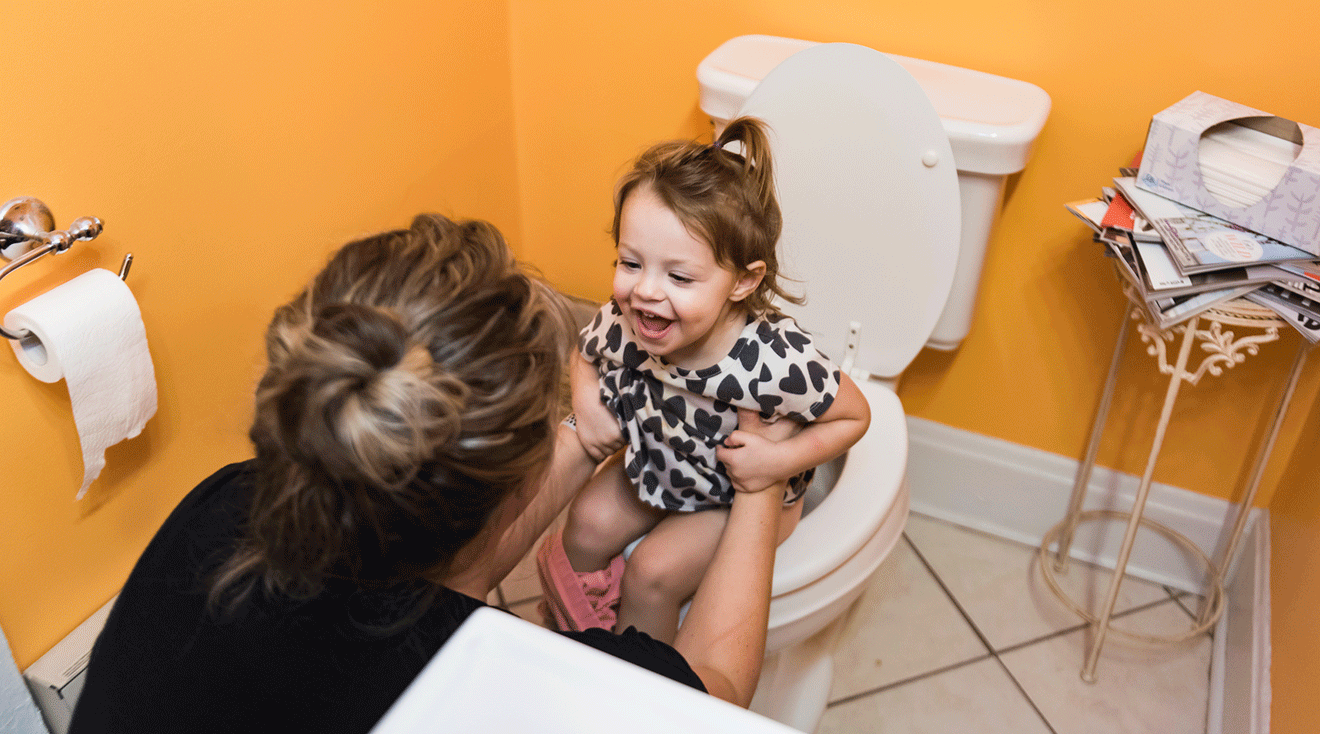
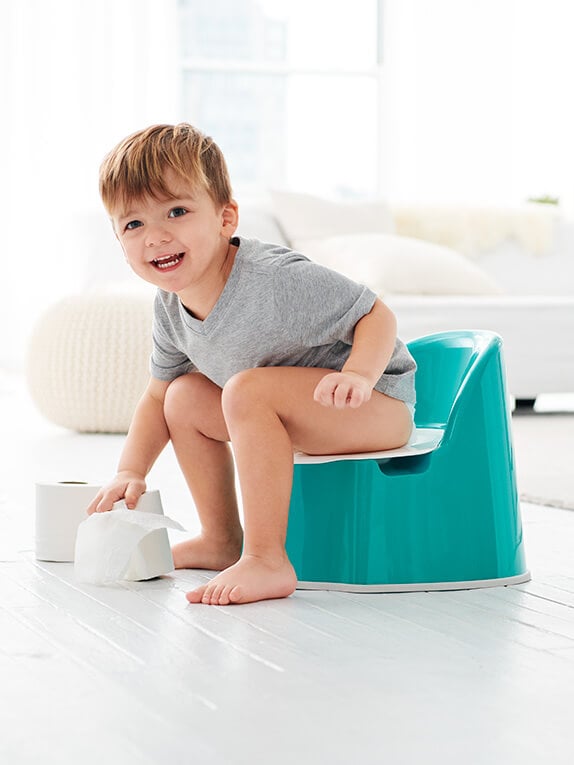
Choose equipment that supports safe posture. A child-sized potty chair is often easier for beginners because her feet rest on the floor. If you use the adult toilet, add a secure child seat and a step stool. Her feet should be supported so she can relax and push gently during a bowel movement.
Helpful supplies include:
• A small potty chair or child toilet seat
• A stable step stool
• Easy-to-remove pants or shorts
• Extra underwear and clothing
• Unscented wipes or toilet paper
• A waterproof cover for the car seat or mattress
• A small basket for clean underwear
Teach basic bathroom habits before formal training begins. Show her how to flush, wash her hands with soap, and place toilet paper in the bowl. Keep explanations short and use the same words each time.
A practical lesson from many successful potty-training plans is to reduce friction. Pants with elastic waists are easier than jeans with buttons. A child who can manage her clothing feels more capable and needs less help.
Source: ucdavis.edu
How to Start Potty Training a Girl Step by Step
How to start potty training a girl becomes easier when you treat it as a skill, not a test. Your child is learning body signals, timing, clothing control, hygiene, and social habits at the same time.
1. Explain What the Potty Is For
Use clear, neutral language. Say, “The potty is where pee and poop go.” Avoid shame-based words such as “dirty,” “bad,” or “gross.” These words can make normal body functions feel frightening.
You can read a simple potty book together or let her watch you use the bathroom, if you feel comfortable. Explain each step in a calm voice.
2. Practice Sitting
Invite her to sit on the potty for a short time. She can sit after waking, before a bath, before leaving home, or before bed. Keep the first attempts brief, perhaps one or two minutes.
Do not force her to stay. If she resists, say, “That is okay. We can try again later.” Pressure can turn the potty into a power struggle.
3. Follow a Predictable Routine
Offer regular potty visits every two to three hours, as well as after meals and naps. Watch for signs such as wiggling, holding the genital area, becoming quiet, hiding, or suddenly stopping play.
A routine helps connect body signals with bathroom action. It also reduces the need to ask, “Do you need to go?” every few minutes.
4. Teach the Correct Sitting Position
Girls should sit fully on the seat with their feet supported. Encourage her to keep her knees slightly apart and relax her belly. She should wipe from front to back after peeing or pooping.
Front-to-back wiping helps move germs away from the urethra and may reduce the risk of irritation and urinary tract infections. Adults should provide help until the child can wipe well on her own.
5. Celebrate Effort
Praise actions you can see. Try phrases such as:
• “You listened to your body.”
• “You walked to the potty.”
• “You pulled your pants down by yourself.”
• “You stayed calm and tried again.”
Small rewards, such as stickers, may help some children. However, praise and routine are usually more useful than large prizes. If rewards become the only reason she tries, progress may slow when the reward disappears.
Source: thebump.com
Should You Use Underwear or Diapers?
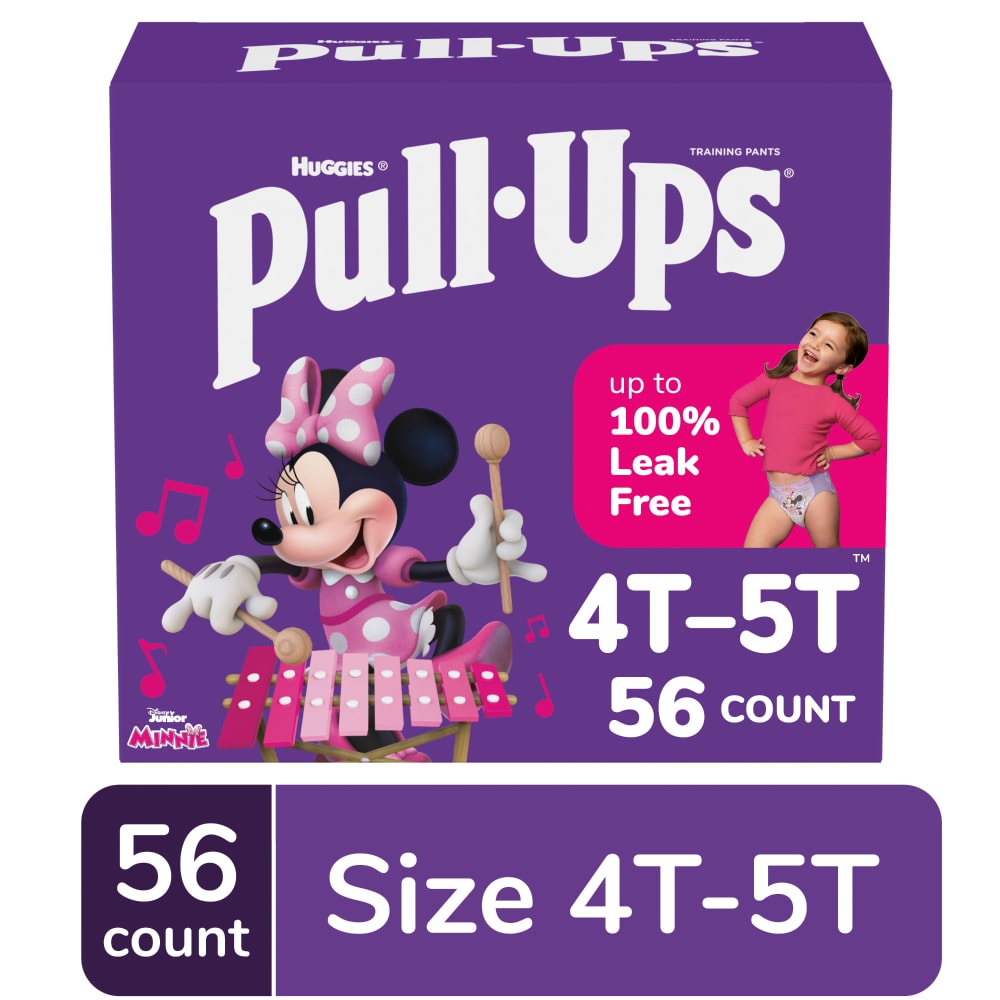
There is no single correct choice. Some families switch to underwear during the day because wetness helps the child notice accidents. Other families use training pants for outings, naps, or child care.
Underwear can make the change feel real, but it also creates more laundry. Training pants offer extra protection but may feel similar to a diaper. Consider your child’s awareness, your schedule, and the support available at home.
A simple plan may look like this:
• Use underwear at home for short periods.
• Use training pants during travel or busy outings.
• Use diapers or nighttime pull-ups for sleep until dryness develops.
• Pack two or three clothing changes when leaving home.
Do not punish accidents or make her sit in wet clothing. Clean up calmly and say, “Pee goes in the potty. Let’s change and try again next time.” Accidents are part of the learning process, not evidence of failure.
How to start potty training a girl does not require removing diapers all at once. A gradual change can work well, especially for a cautious child or a family with a busy schedule.
Source: oxo.com
Teaching Girls to Wipe and Wash Their Hands
Hygiene is a key part of potty training. Many girls need help with wiping for quite some time because proper wiping requires balance, flexibility, and attention.
Teach her to wipe from front to back. Use a simple motion and avoid excessive rubbing. If she has sensitive skin, use plain toilet paper and clean water when needed. Fragrance-free products may be gentler for children prone to irritation.
Handwashing should last about 20 seconds. Help her use soap; rub the palms and backs of the hands, clean between the fingers, rinse, and dry. A step stool can help her reach the sink safely.
Watch for signs of irritation, including redness, itching, pain, unusual discharge, or discomfort while peeing. Bubble baths, scented soaps, and tight clothing can irritate sensitive skin. Persistent symptoms deserve advice from a health professional.

Source: dillons.com
How to Handle Accidents, Fear, and Resistance
Accidents often increase when a child is tired, excited, constipated, distracted, or away from home. Respond with a calm voice. Your reaction teaches her whether mistakes are safe to discuss.
Use this three-step response:
- Stay neutral and protect her dignity.
- Help her change into dry clothes.
- Briefly remind her where pee or poop belongs.
Some children fear the toilet because of its size, loud flush, or unfamiliar sounds. Let her flush after leaving the bathroom, or avoid flushing until she is out. A potty chair may feel safer than a full-size toilet.
Resistance may signal that the pace is too fast. Take a short break if she cries, holds her stool, refuses every attempt, or becomes highly distressed. You can keep the potty visible and return to practice later.
Never shame, threaten, spank, or compare her with another child. These approaches may increase anxiety and stool withholding. A calm parent is not a perfect parent; it is a parent who repairs the moment and tries again.

Source: babycenter.com
Potty Training and Constipation
Constipation can make potty training much harder. A child may avoid the toilet because passing stool hurts. She may then hold it longer, causing harder stool and more pain. This creates a cycle that needs gentle support.
Signs of constipation can include:
• Fewer bowel movements than usual
• Hard, dry, or pellet-like stool
• Pain while passing stool
• Stomach pain or bloating
• Hiding or stiffening to avoid pooping
• Small stool marks in the underwear
Offer water and fiber-rich foods, such as fruit, vegetables, beans, oats, and whole grains. Encourage relaxed toilet sitting after meals, with her feet supported. Do not give laxatives or stool softeners unless a clinician recommends them.
Contact a pediatric health professional if constipation lasts, causes significant pain, includes blood, or does not improve with basic changes. Seek urgent care for severe belly swelling, repeated vomiting, or a child who appears very unwell.
How to start potty training a girl should always include attention to bowel comfort. A child who feels pain cannot focus well on learning a new toilet habit.
Source: citymarket.com
Potty Training at Daycare and Away From Home
Consistency helps, but home and daycare do not need identical routines. Share the words, timing, and methods you use. Ask caregivers to offer regular toilet visits without forcing her to sit.
Pack a small toileting kit that includes:
• Several pairs of underwear
• Two or more changes of clothing
• Plastic bags for wet items
• Wipes, if permitted
• A note about her usual bathroom routine
Practice using public toilets before long trips. Explain that some toilets are loud, the rooms may look different, and she can ask for help. A foldable child seat or disposable seat covers may help some families, but never let a child touch an unstable toilet seat.
Keep expectations realistic during travel. A child who uses the potty well at home may have accidents in a new place. New sounds, rushed schedules, and unfamiliar bathrooms can temporarily affect progress.

Source: co.uk
Daytime Versus Nighttime Potty Training
Daytime and nighttime dryness are separate skills. Nighttime control depends partly on bladder development and the body’s production of antidiuretic hormone. Many children remain wet at night after they are reliably dry during the day.
Use a diaper or nighttime training pant without making it sound like a failure. Limit large drinks right before bed, but do not restrict normal daytime fluids. Encourage a bathroom visit before sleep and make the path to the toilet easy and safe.
Do not routinely wake a deeply sleeping child unless a health professional suggests it. Bedwetting is common in early childhood and often improves with maturity.
Talk with a clinician if bedwetting begins again after six months of dryness, occurs with daytime accidents, causes pain, or is linked with unusual thirst, heavy snoring, or constipation.

Source: journeytosahm.com
Common Mistakes to Avoid
How to start potty training a girl can become stressful when adults expect instant results. Avoiding a few common mistakes can make the process smoother.
• Starting only because another child is trained: Each child has a different timeline.
• Asking too often: Constant questions can make the child feel watched.
• Using pressure: Forced sitting may create fear or withholding.
• Expecting dryness during sleep: Night control often comes later.
• Ignoring constipation: Pain can stop progress.
• Choosing difficult clothing: Buttons and tight waistbands slow independence.
• Making accidents dramatic: Shame does not teach body control.
• Changing the plan every day: Children benefit from simple, repeated steps.
• Comparing siblings: Comparison can harm confidence and motivation.
A useful goal is steady learning, not perfect performance. Look for small gains, such as telling you after an accident, sitting calmly, or staying dry for longer periods.
When to Ask a Pediatric Professional for Help
Most potty-training challenges improve with time and support. Still, some signs require medical advice rather than more training pressure.
Contact a pediatric professional if your daughter:
• Has pain or burning when she pees
• Has fever, back pain, blood in the urine, or very frequent urination
• Regularly holds urine or stool
• Has ongoing constipation
• Shows blood in the stool
• Suddenly begins wetting after being consistently dry
• Is older than 4 and has made little daytime progress
• Becomes extremely distressed by toileting
These signs do not always indicate a serious problem. A clinician can check for constipation, urinary infection, developmental concerns, or other causes and offer a personal plan.
Professional advice is especially important when a child has developmental differences, mobility needs, chronic illness, or sensory sensitivities. Potty training can be adapted; it does not need to follow one standard path.
Frequently Asked Questions About How to Start Potty Training a Girl
What is the best age to start potty training a girl?
There is no perfect age, but many children show readiness between 18 months and 3 years. Start when she can notice body signals, follow simple directions, and participate in dressing and bathroom routines.
How do I teach a girl to wipe after using the toilet?
Teach her to wipe from front to back, using gentle strokes. Help her until she can reach, clean herself well, and avoid spreading stool toward the urethra.
Should a girl use a potty chair or the regular toilet?
Either option can work. A potty chair may feel less intimidating, while a child seat and step stool can help her transition directly to the regular toilet.
What should I do if my daughter refuses to sit on the potty?
Stay calm and stop forcing the issue. Keep the potty available, offer brief practice at low-pressure times, and try again after a short break.
How long does potty training usually take?
Some children learn basic daytime skills in a few days, while others take several weeks or longer. Progress may come in steps, with temporary accidents during illness, travel, stress, or major changes.
Is it normal for a girl to have accidents after potty training?
Yes. Accidents are common during the learning stage and may occur when a child is tired, excited, distracted, or constipated. Respond calmly and return to the usual routine.
When should nighttime potty training begin?
Nighttime training can begin after daytime dryness is well established, but there is no need to rush. Many children need nighttime diapers or training pants for months or years after daytime training.
Conclusion
How to start potty training a girl begins with readiness, patience, and a simple plan. Prepare the bathroom, use easy clothing, practice at predictable times, teach front-to-back wiping, support healthy bowel habits, and treat accidents as normal learning moments.
Your daughter does not need pressure to succeed. She needs calm guidance, repeated practice, and confidence that mistakes are safe. Start with one small routine today, adjust it to her needs, and explore trusted pediatric resources or discuss concerns with her health professional.